Where Do We Still Plant Flowers?
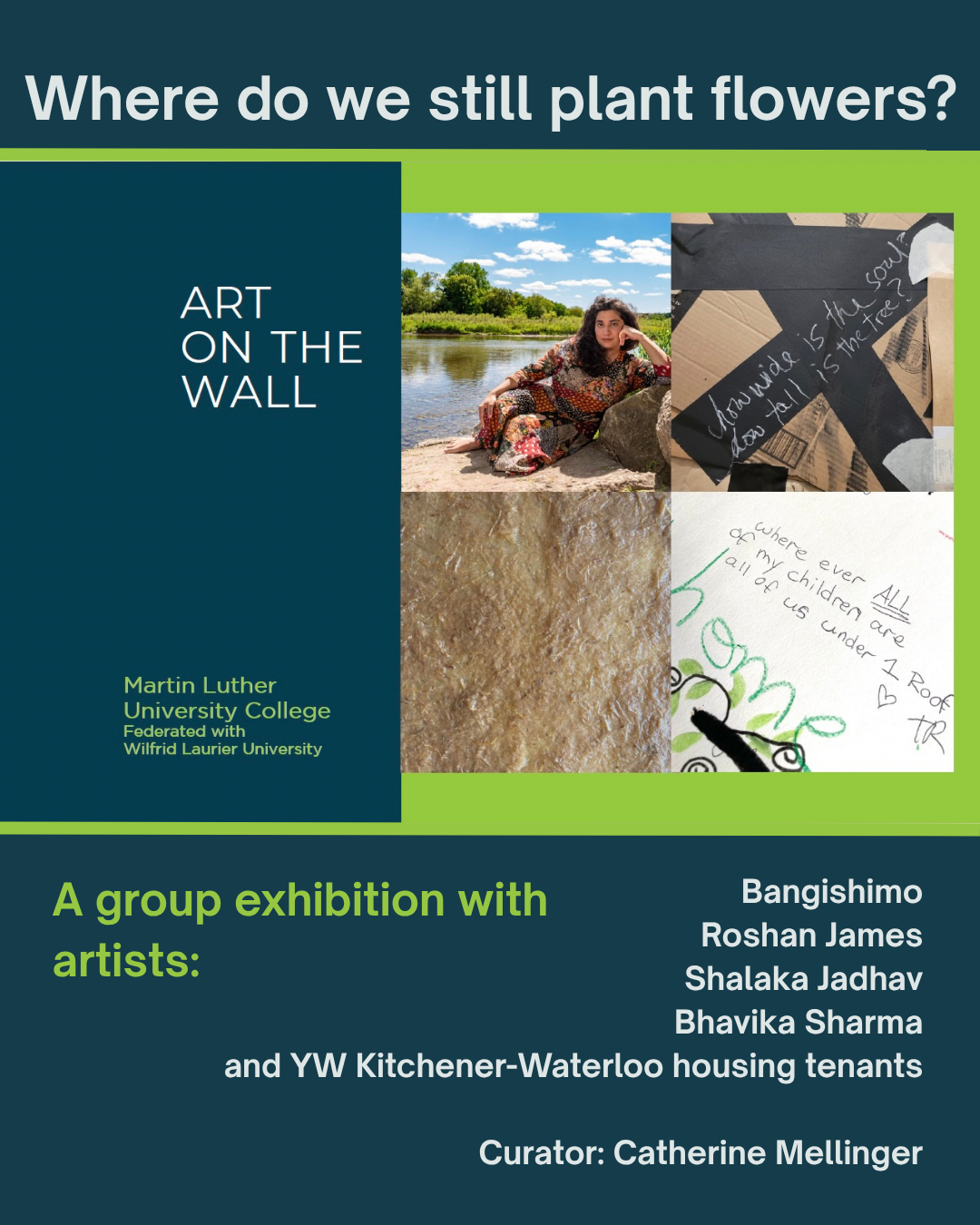
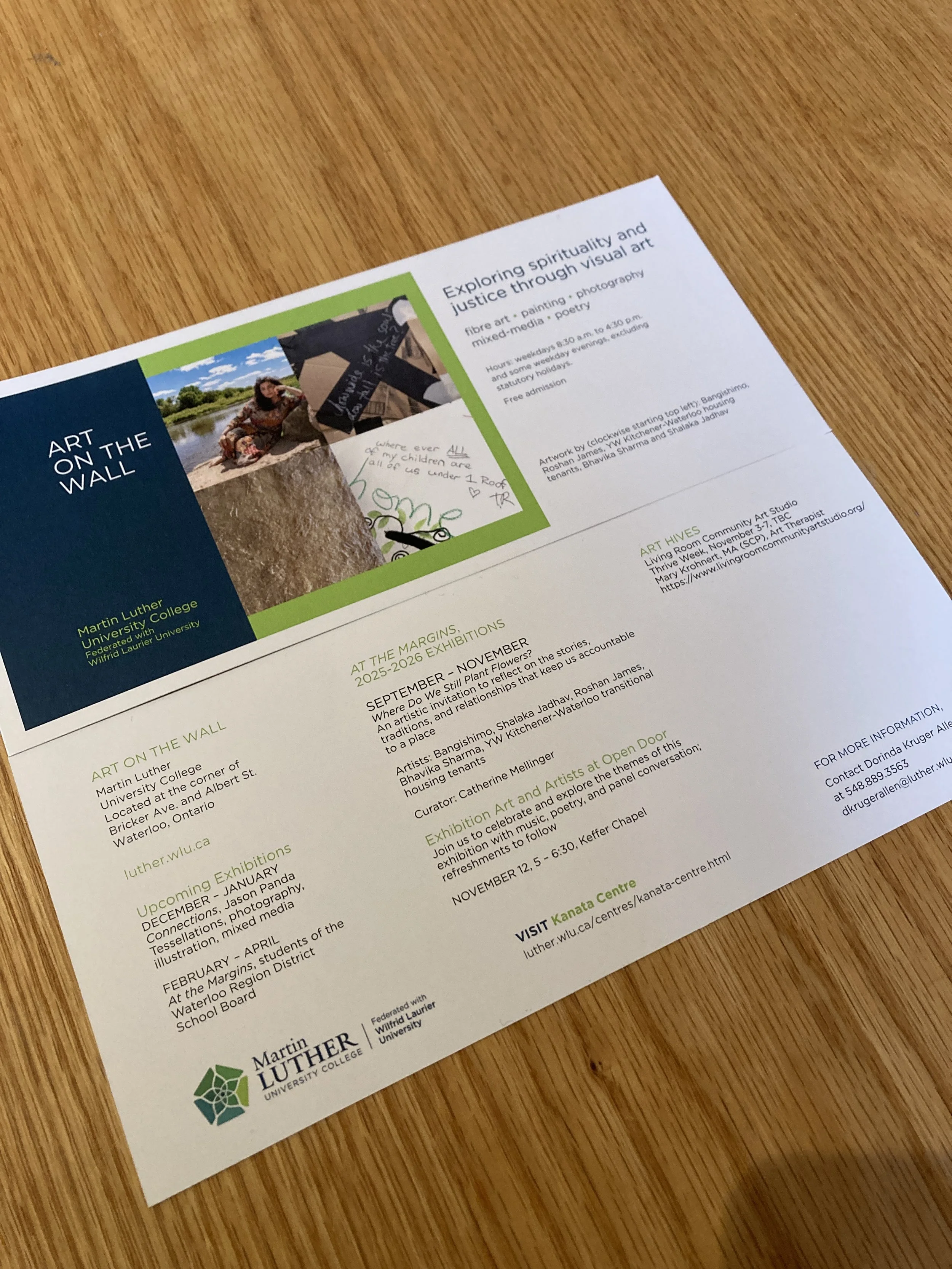
Artists: Bangishimo, Shalaka Jadhav, Roshan James, Bhavika Sharma, tenants of the YW Kitchener-Waterloo transitional housing units (Lincoln Rd. and Block Line Rd.)
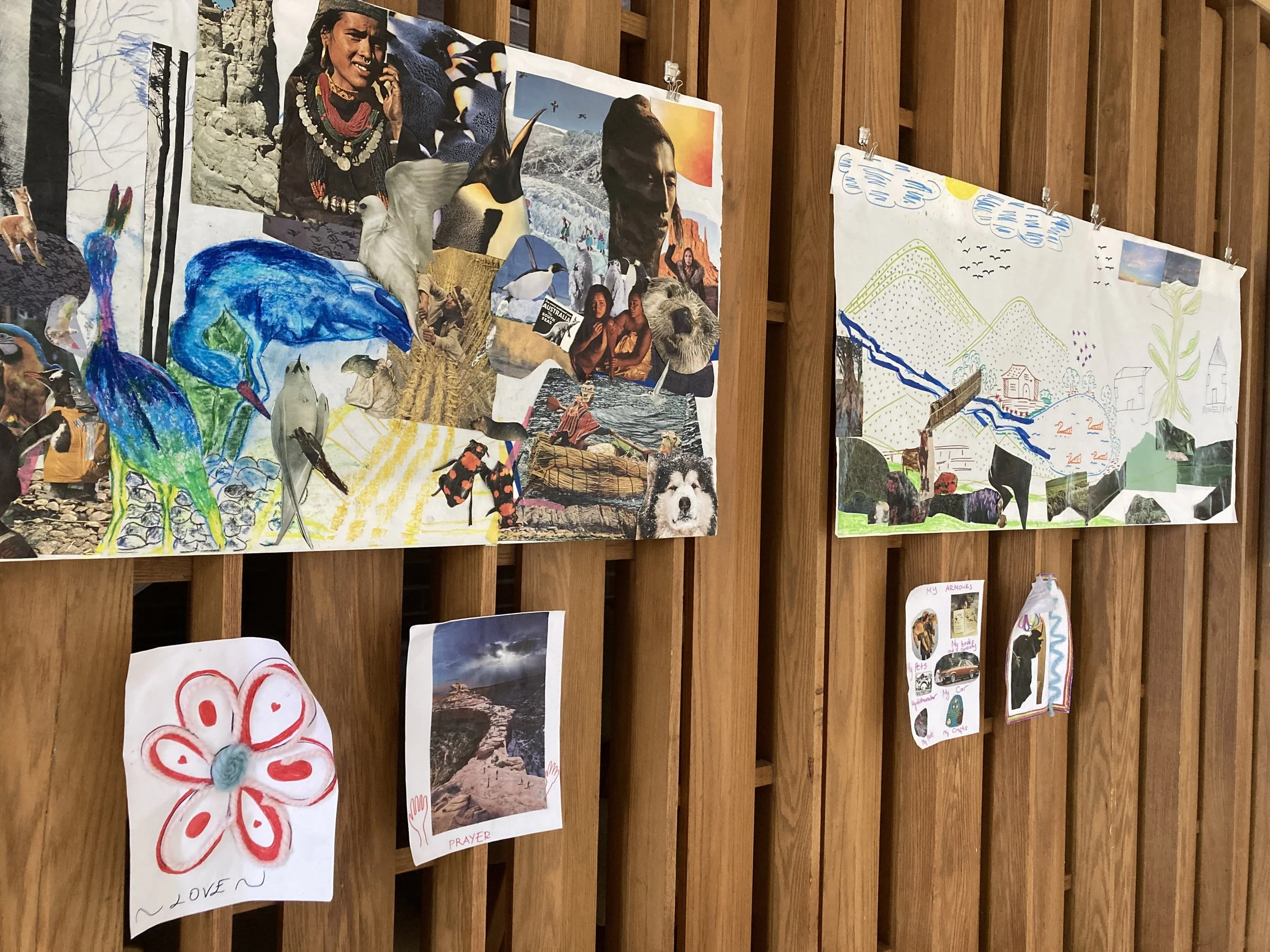
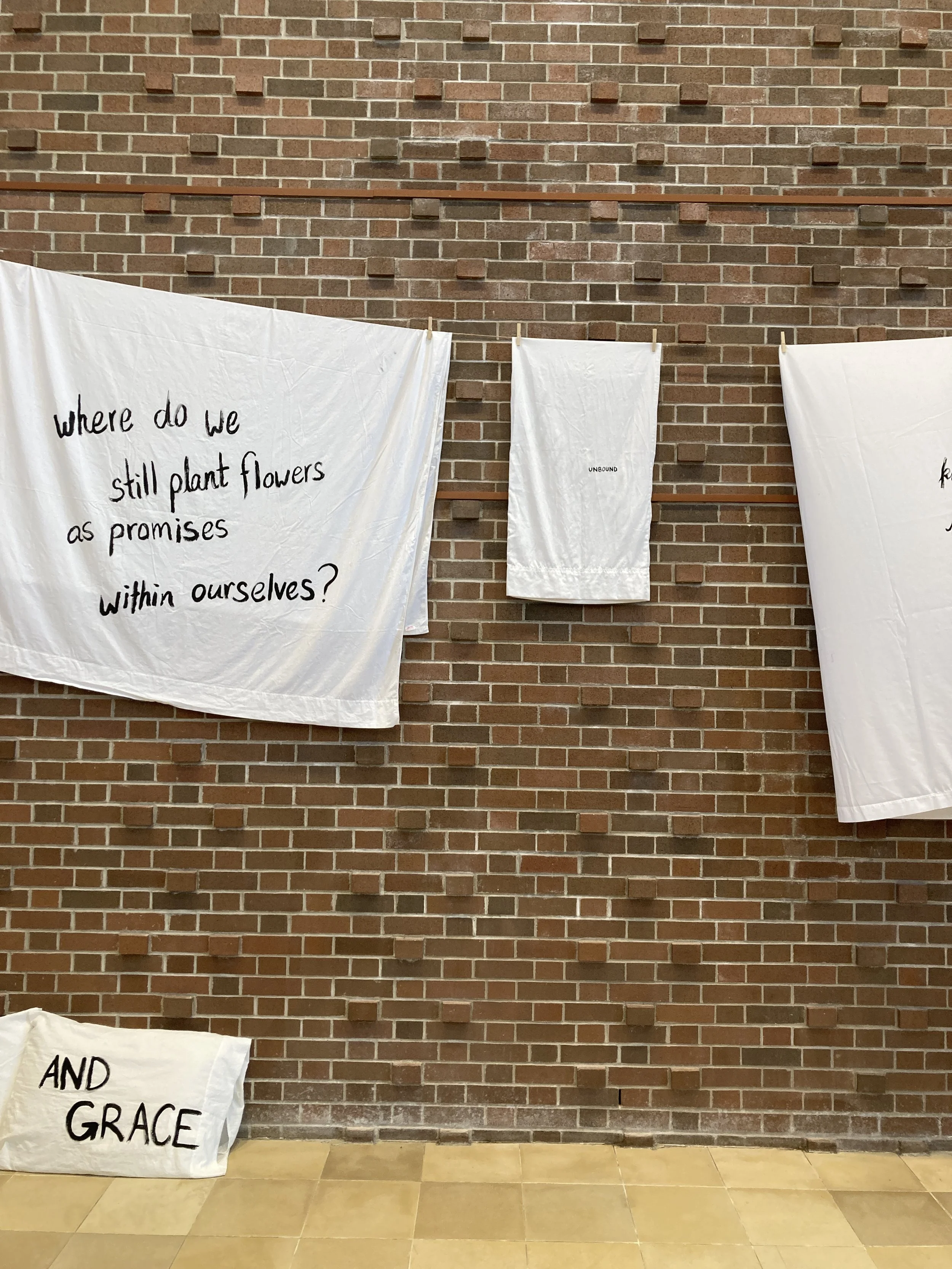
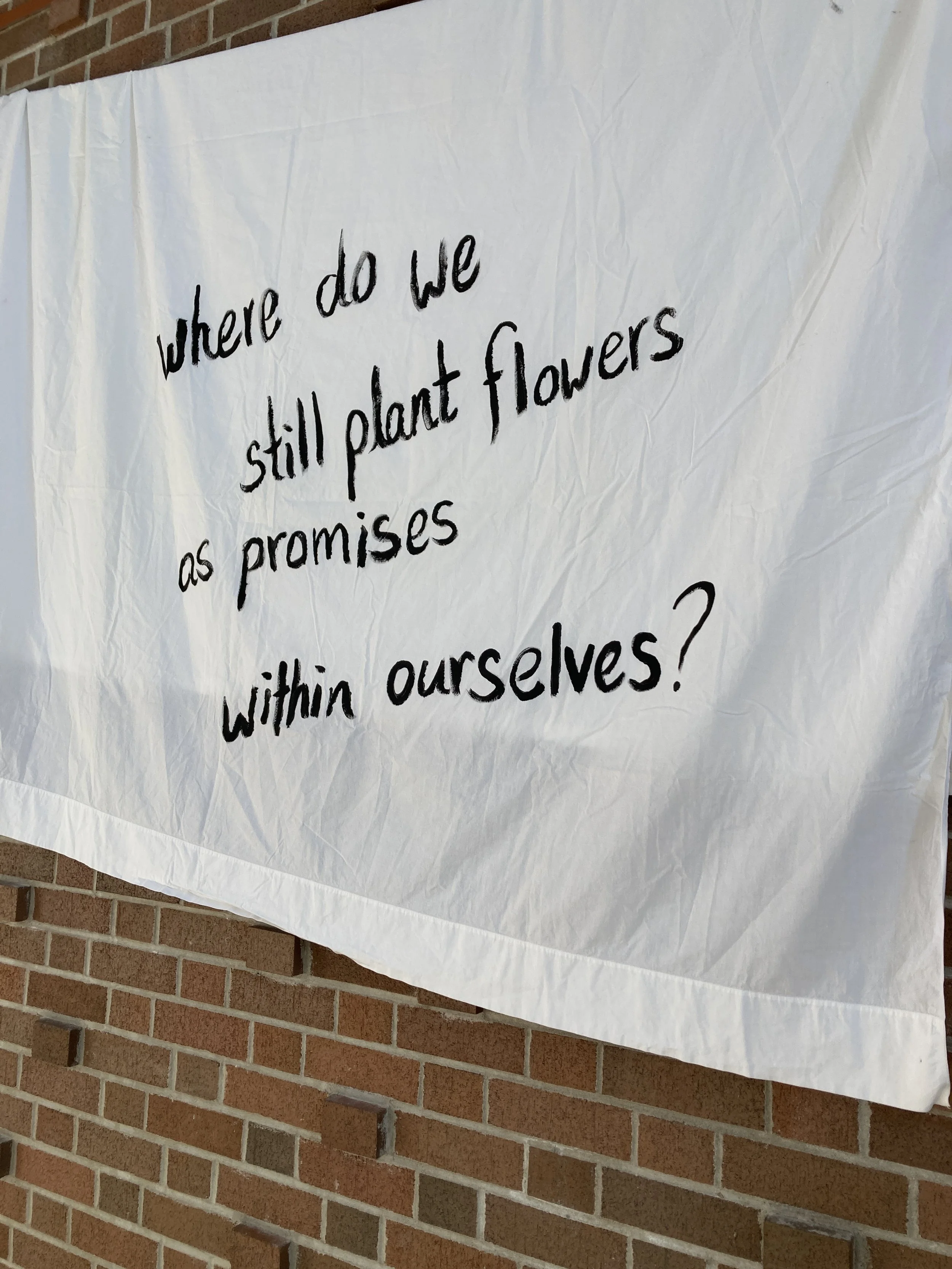
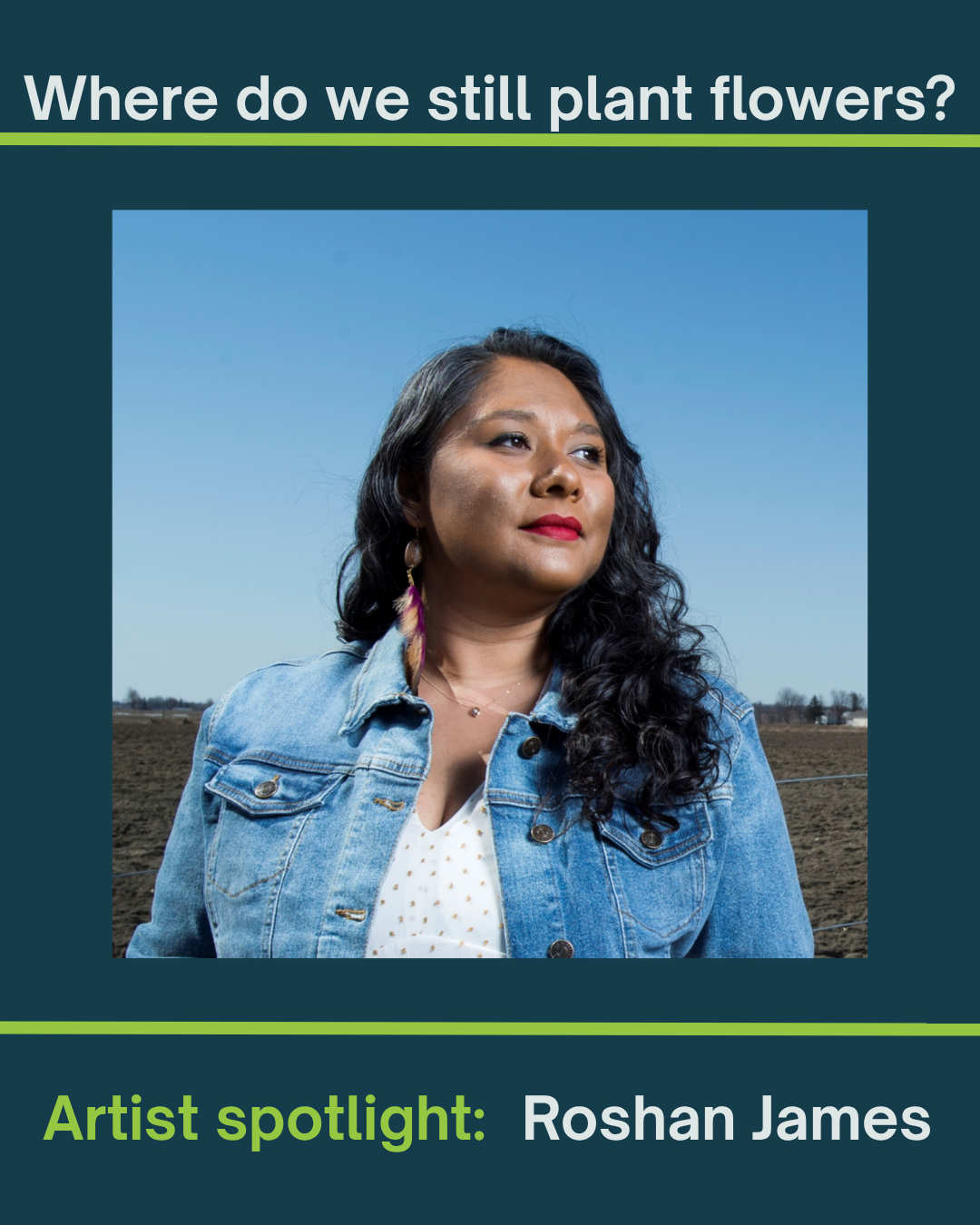
Where do we still plant flowers? is a line from a poem written by Roshan James, stemming from her response to a community-arts project that involved tenants at the YW Kitchener-Waterloo (YWKW) transitional housing buildings in Kitchener-Waterloo. With the generous funding of the Waterloo Region Community Foundation, Expressive Arts Therapists Catherine Mellinger and Shambhvi Sharma spent twelve weeks at each location offering arts-based therapeutic activities exploring facets of each person’s internal emotional and sensory landscapes through collage, clay, and drawing.
From the weekly interactions with tenants, combined with ongoing conversations with the team at the Kanata Centreemerged an interest in exploring place–material need first and foremost, especially as “transitional” housing units oftenbecome long-term while the region struggles to build accessible, affordable housing. As we began to explore questionsof place, we soon started to uncover how a place can serve as a metaphor of searching for belonging, dreaming whereone could be and go, and escaping out of or into.
Haudenosaunee and Anishinaabe scholar Vanessa Watts’ writing on Place-Thought reminds us of how “society” is farmore than simple human-to-human interactions. The exhibition title is a reminder of Watt’s Indigenous Place-Thought,where plants are non-human members of society. Having space in which to grow is a privilege connected to land rightsand acquisition, a metaphorical sign of the safety to plant roots. Within this frame, “society” includes all that isconsidered alive–animals, the spirit world, minerals and plants–all intersecting within the feminine realm of worldorigins. So, we ask: where do we make place for all things to grow, for the full aliveness of a society to be developed?
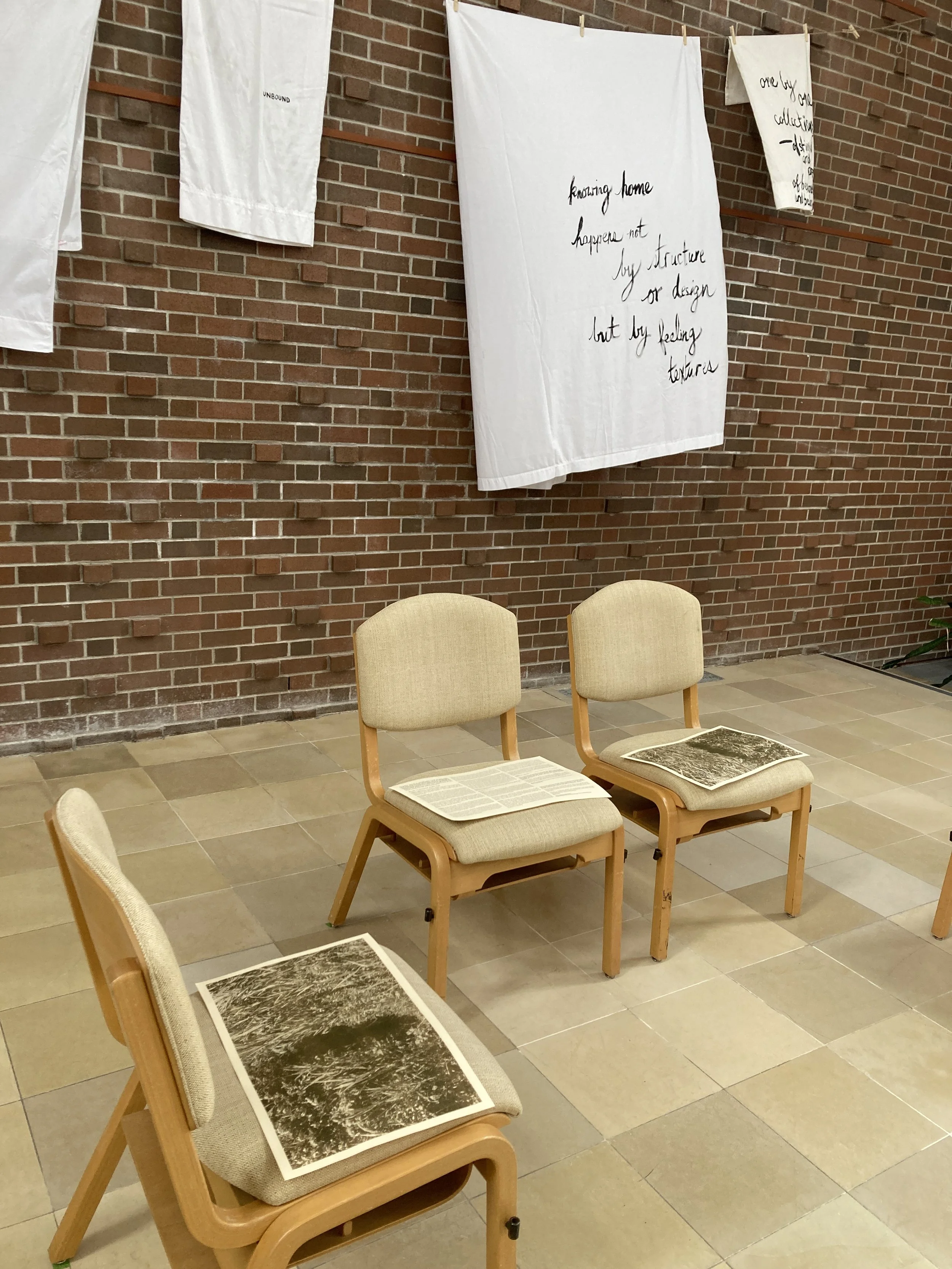
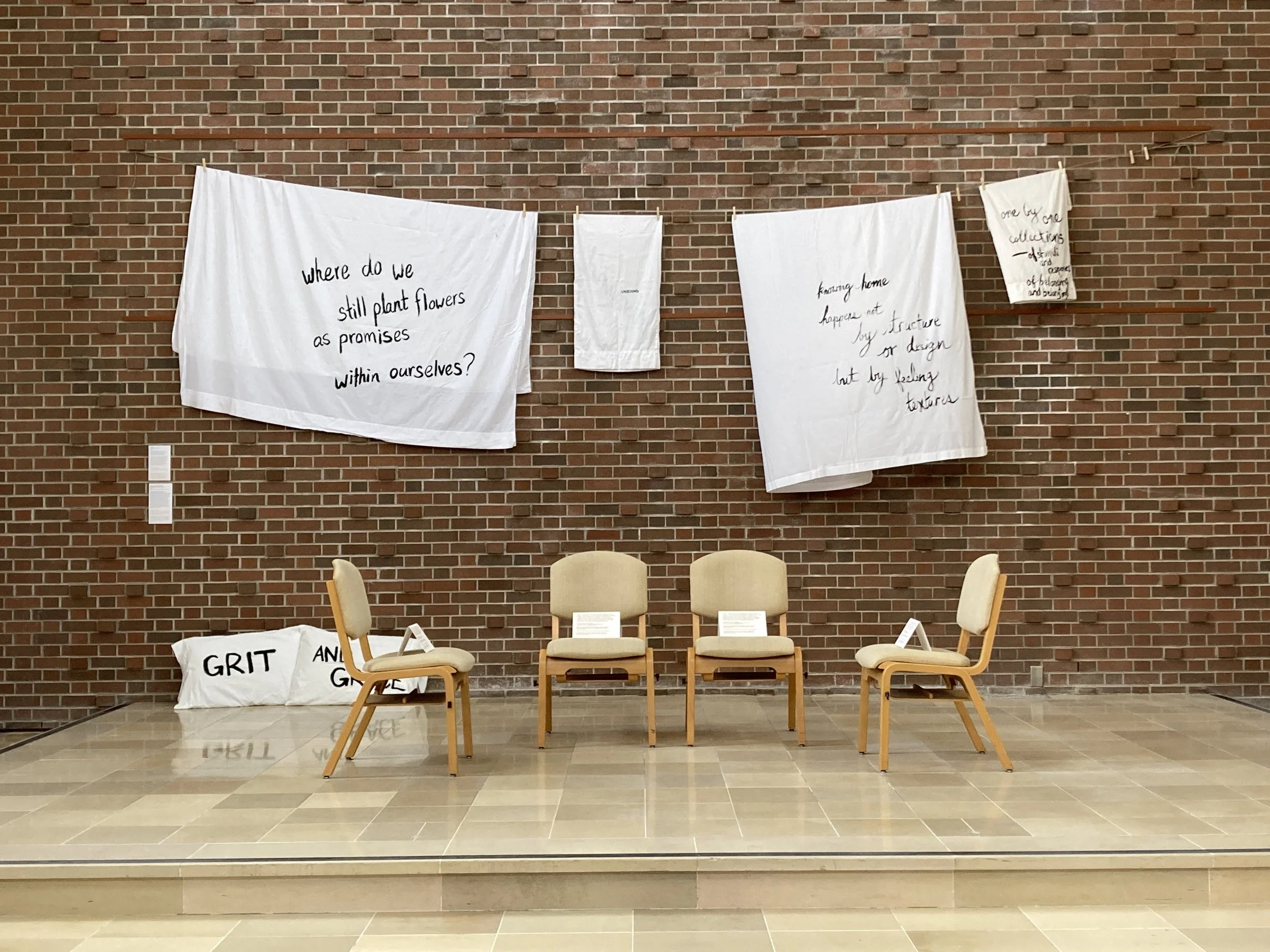
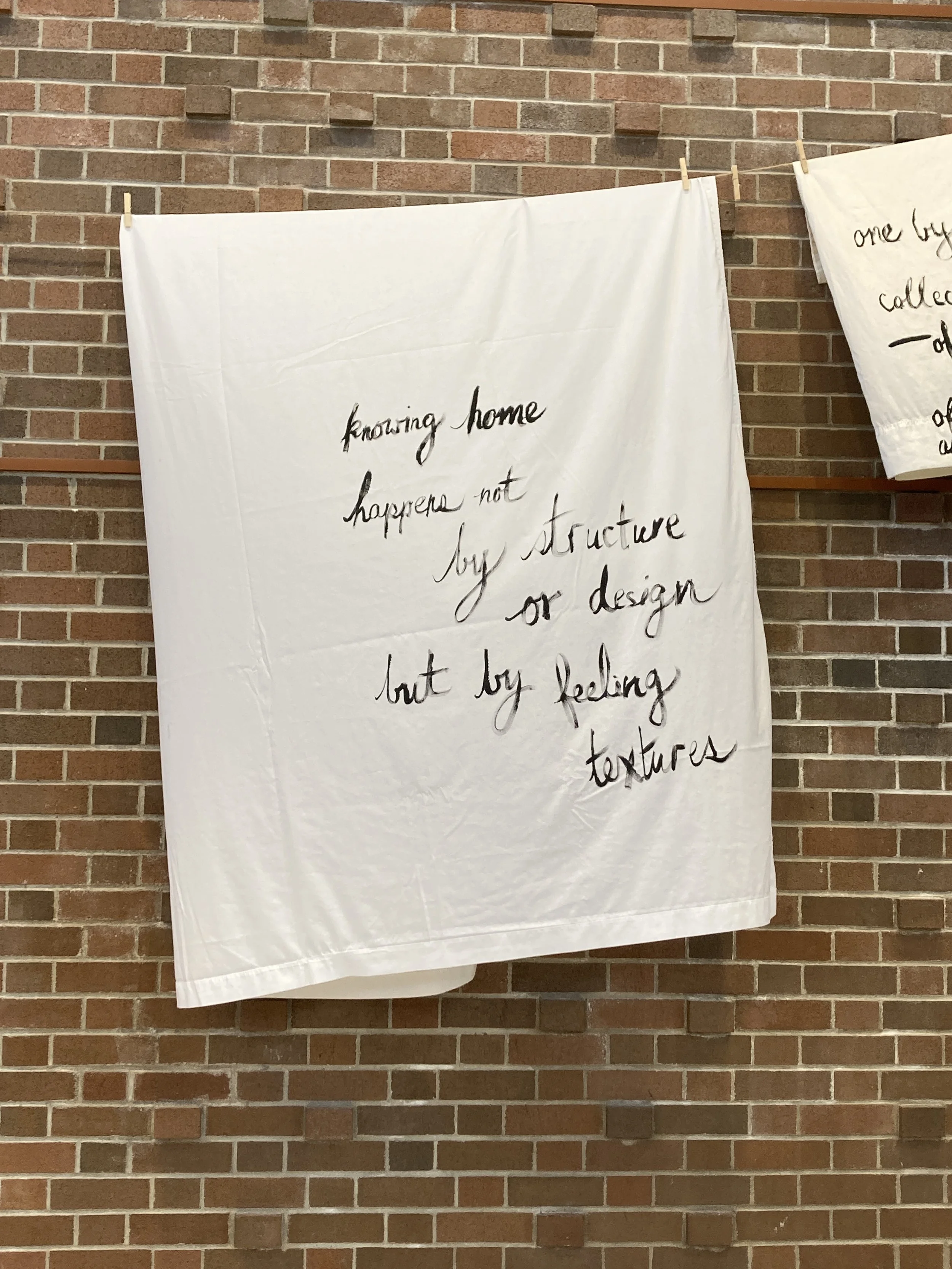
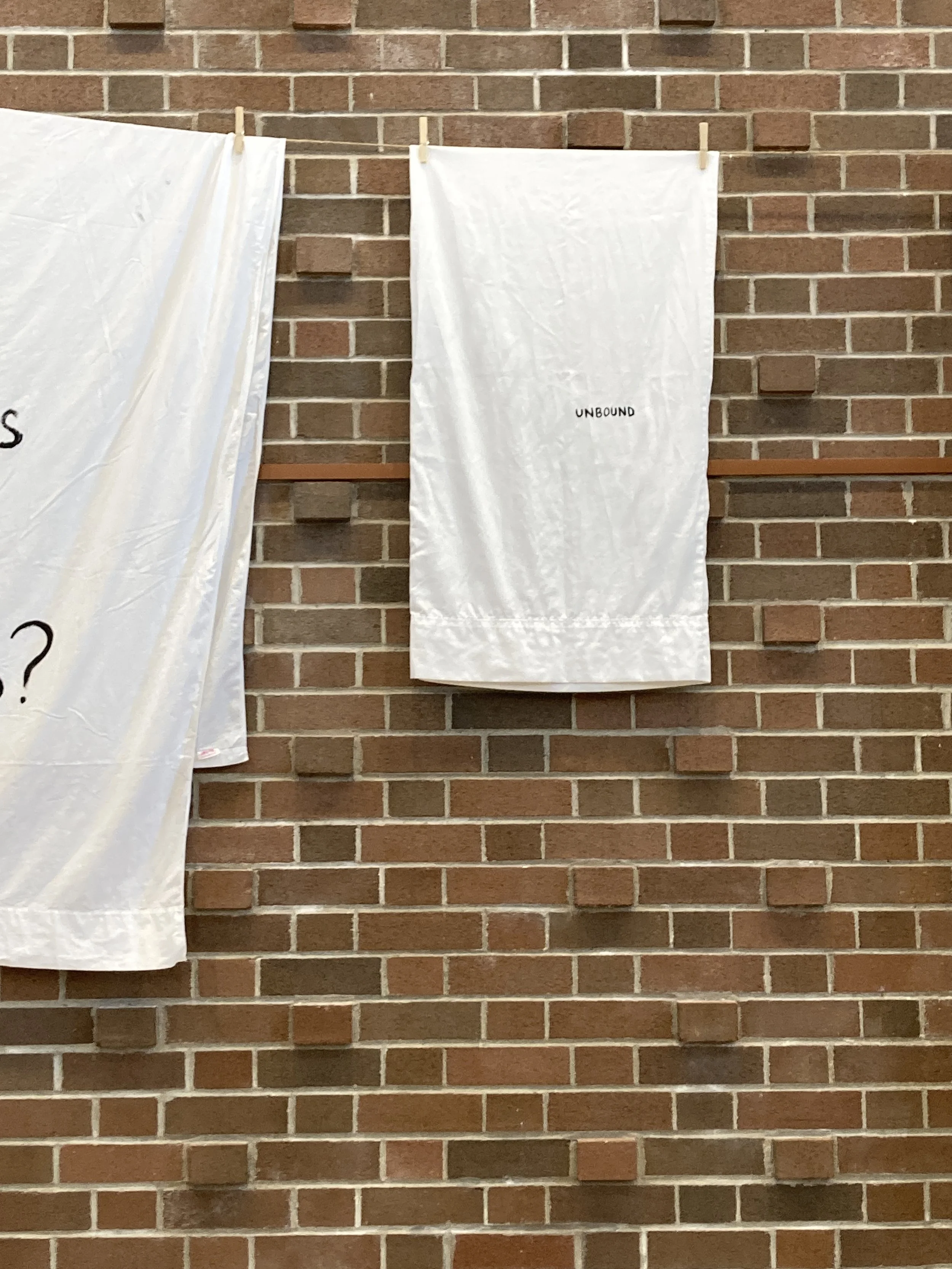
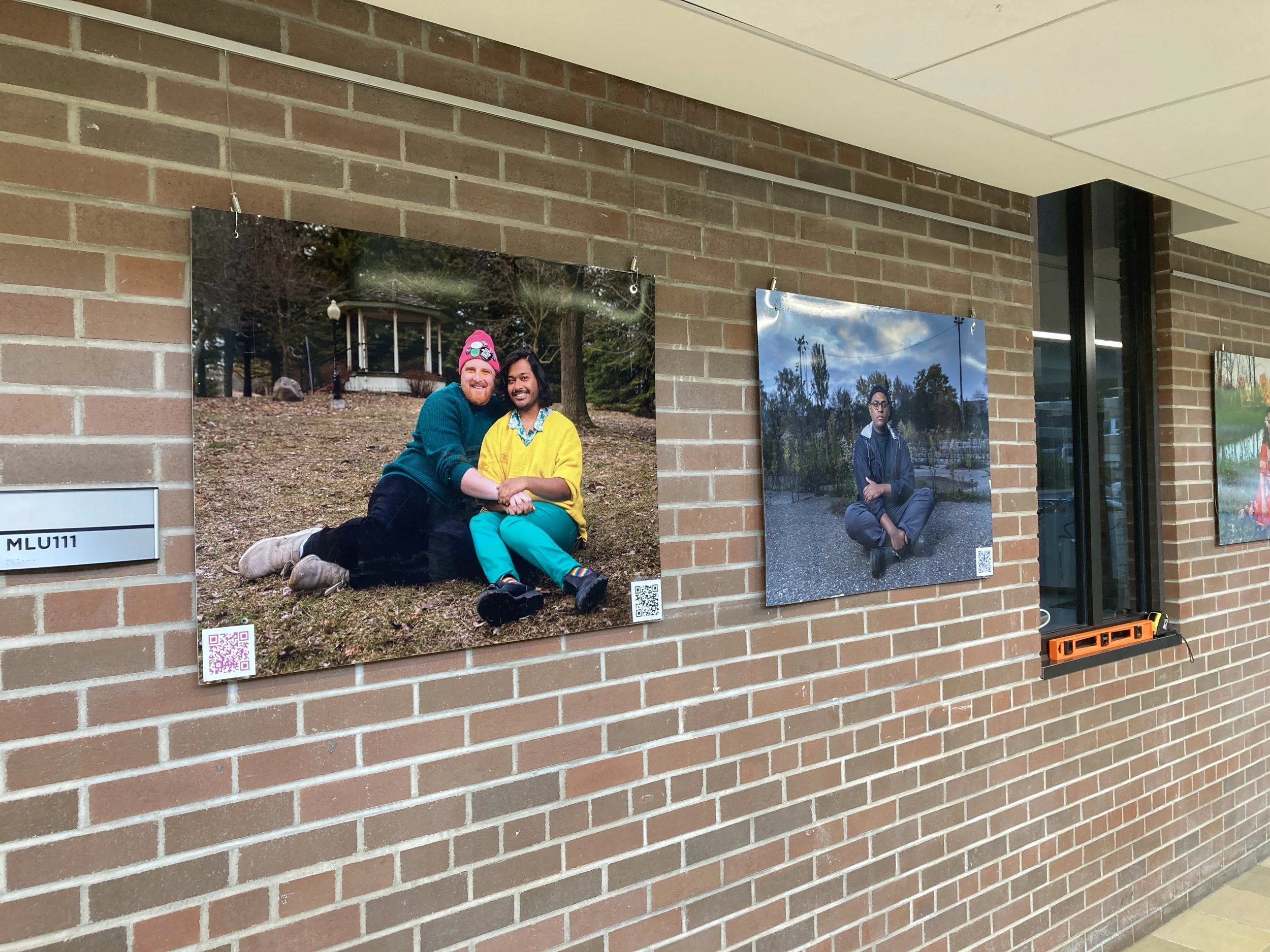
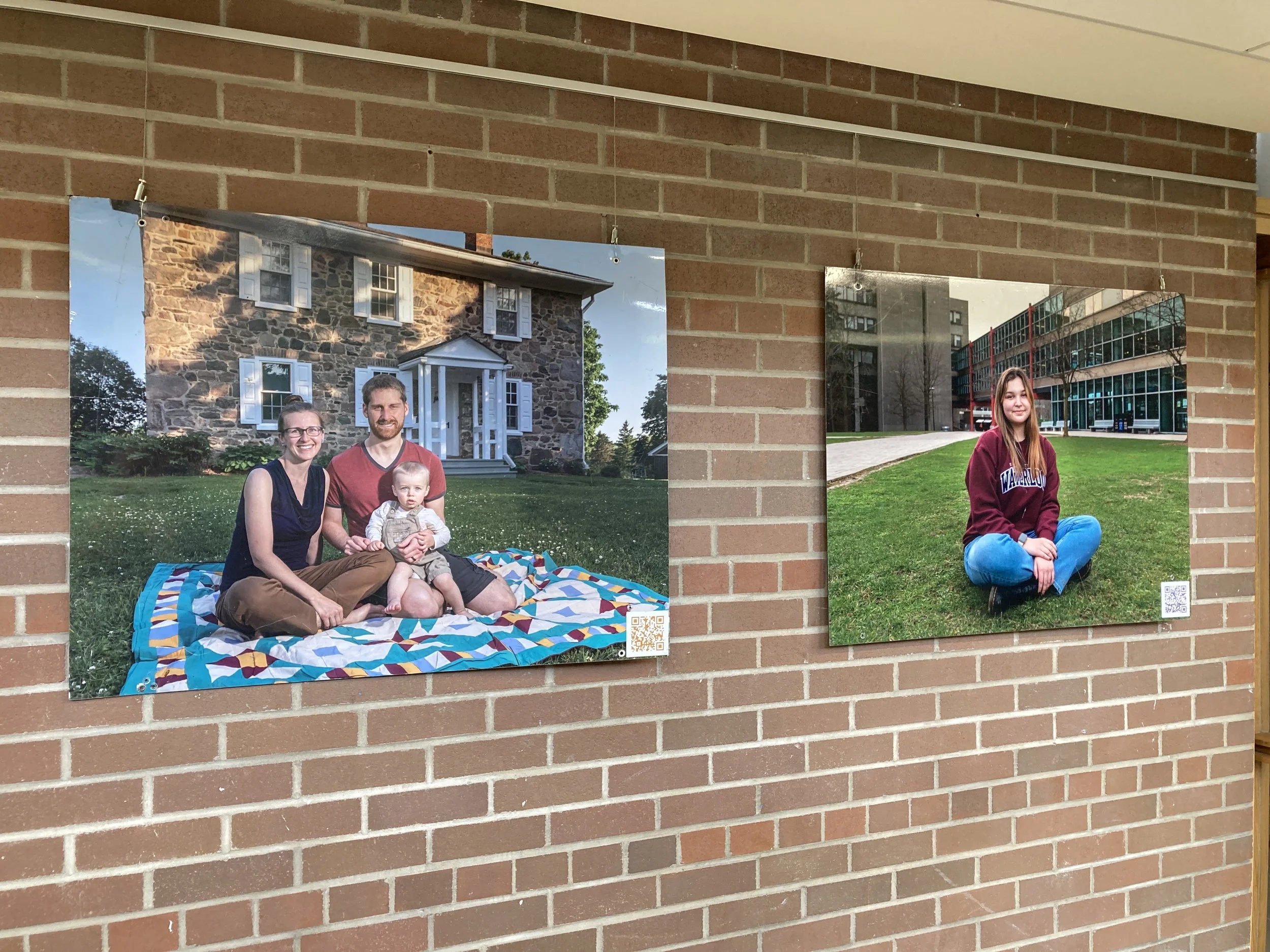
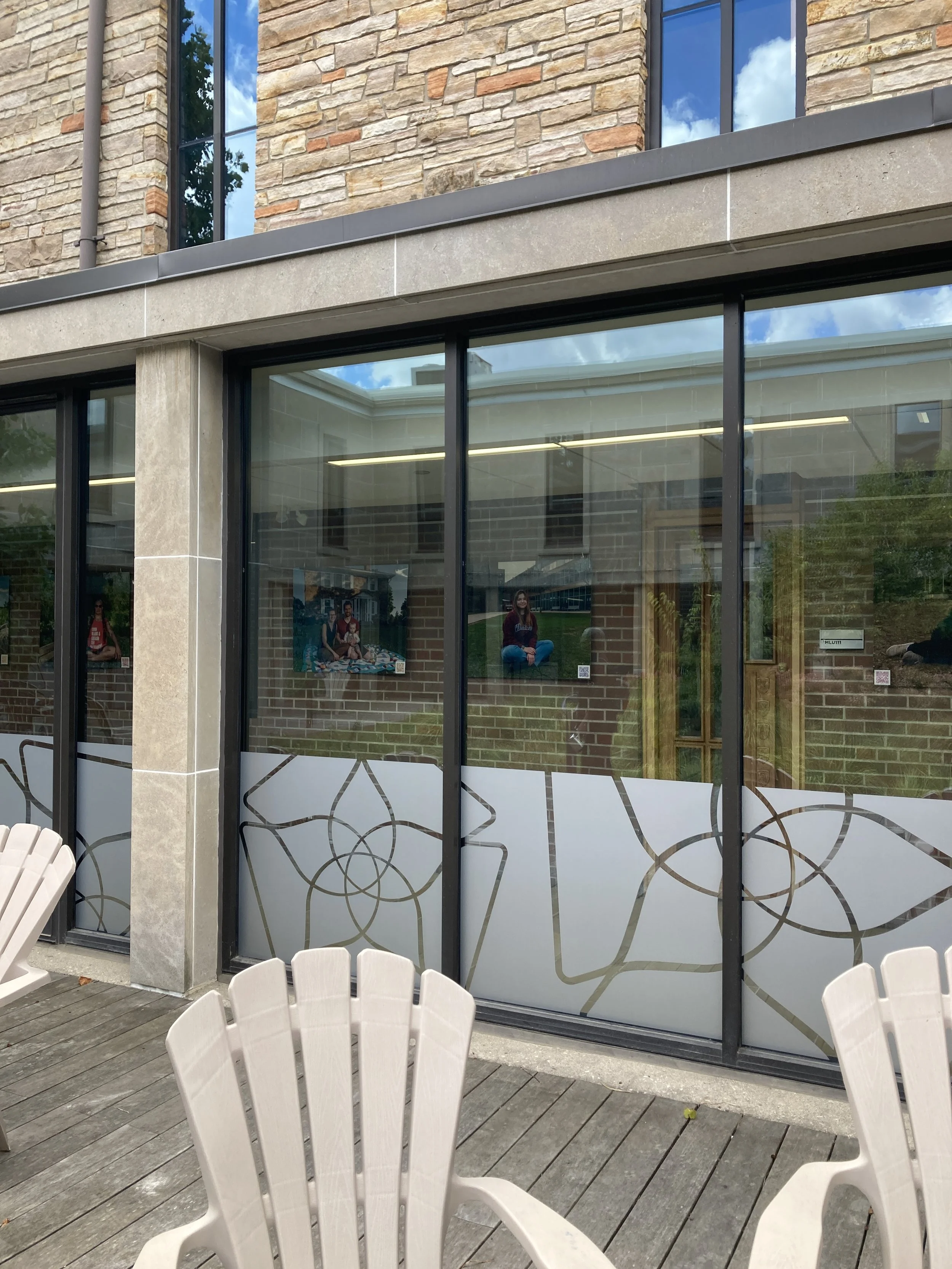
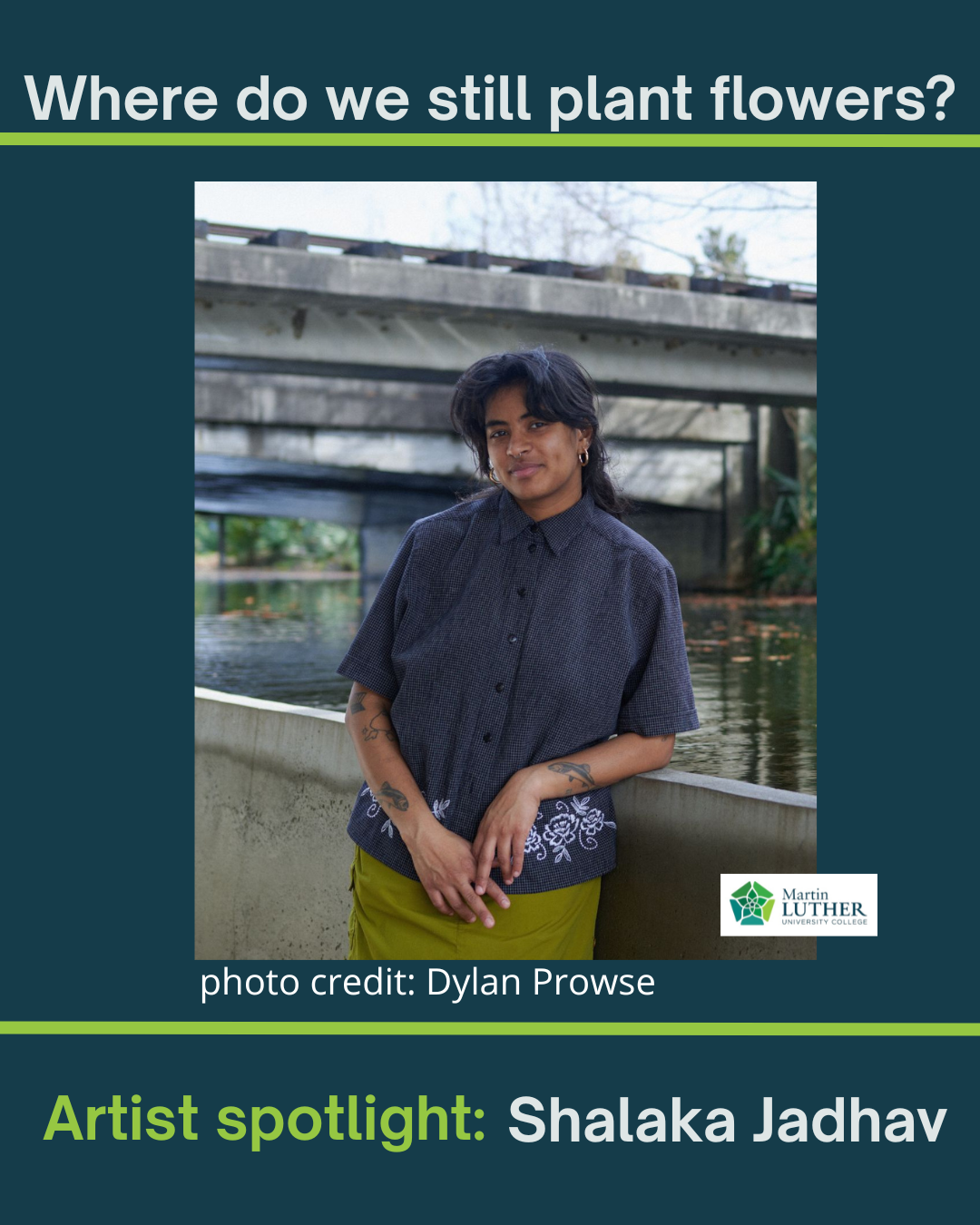
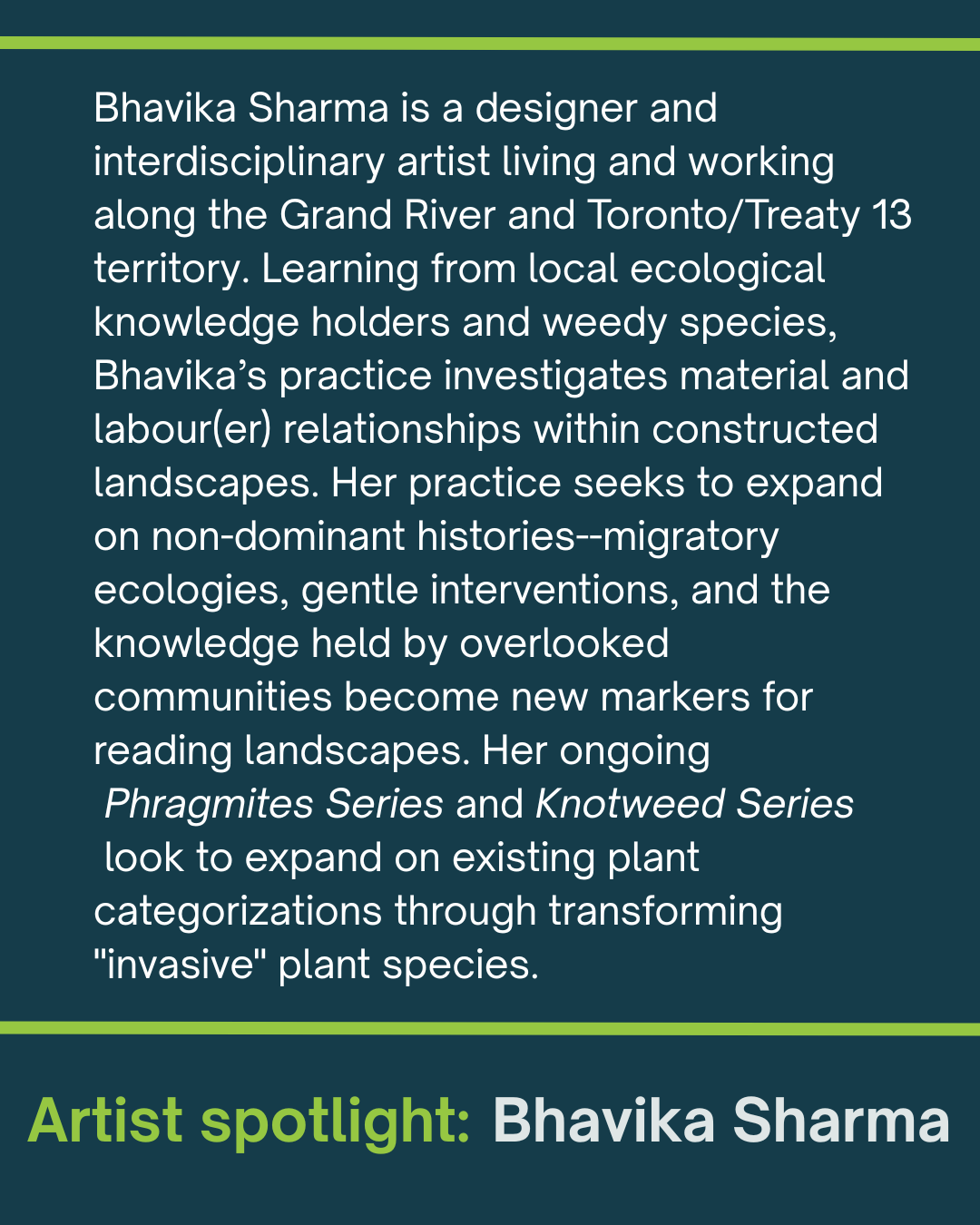
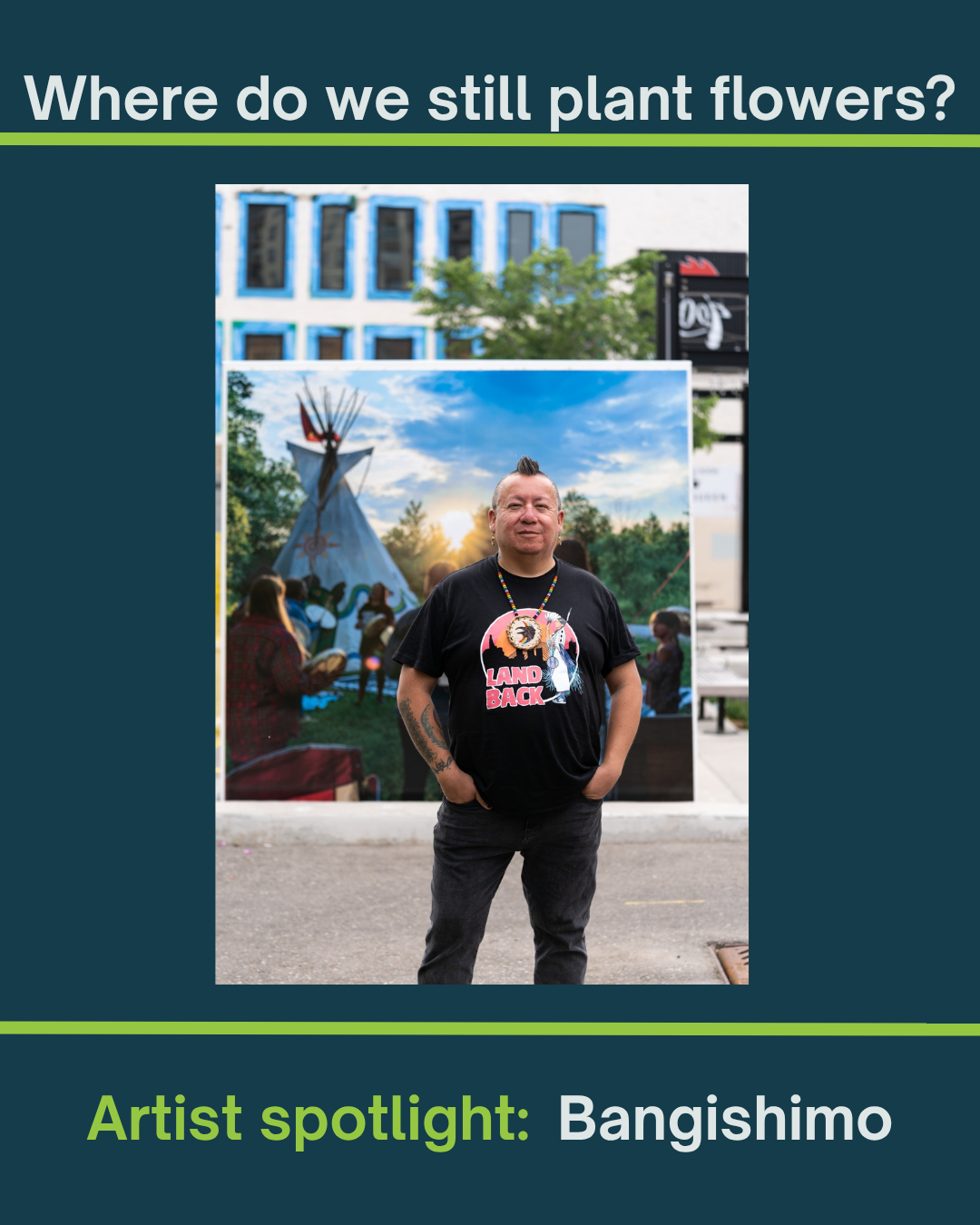
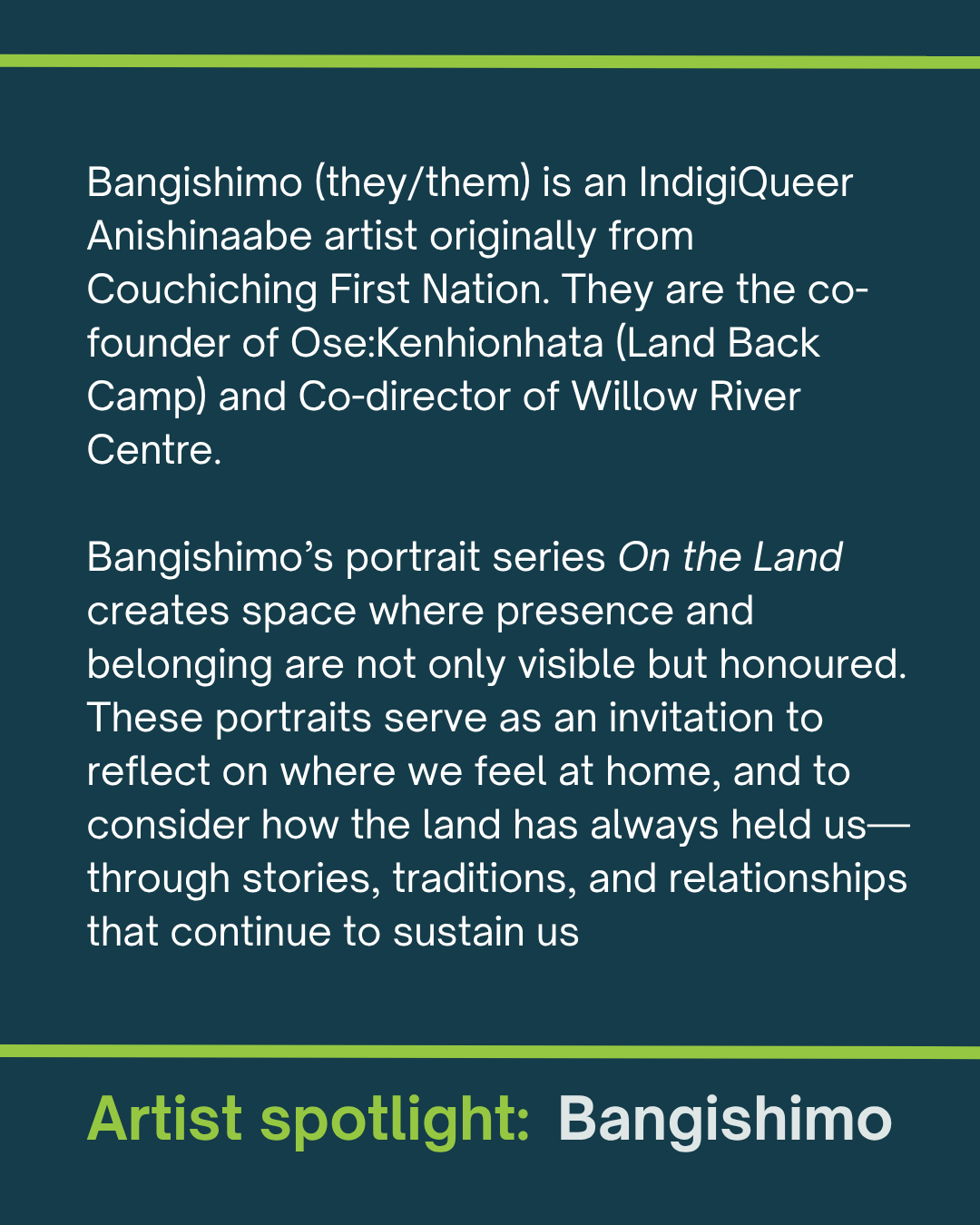
All of the artists in this exhibition, in turn, offer their own meditations on place. Roshan James’ poetry Living was createdinspired by words shared by YWKW tenants, and then applied verses of poetry to linen to connect the words abouthome and place to household items as gestures of home-life. Bangishimo’s portrait series On the Land asks, “What doesit mean—or what has it meant—to live on Indigenous territory?" In collaboration, Shalaka Jadhav and Bhavika Sharmatrace their stories of arrival as it pertains to a weedy mapping of landscapes.
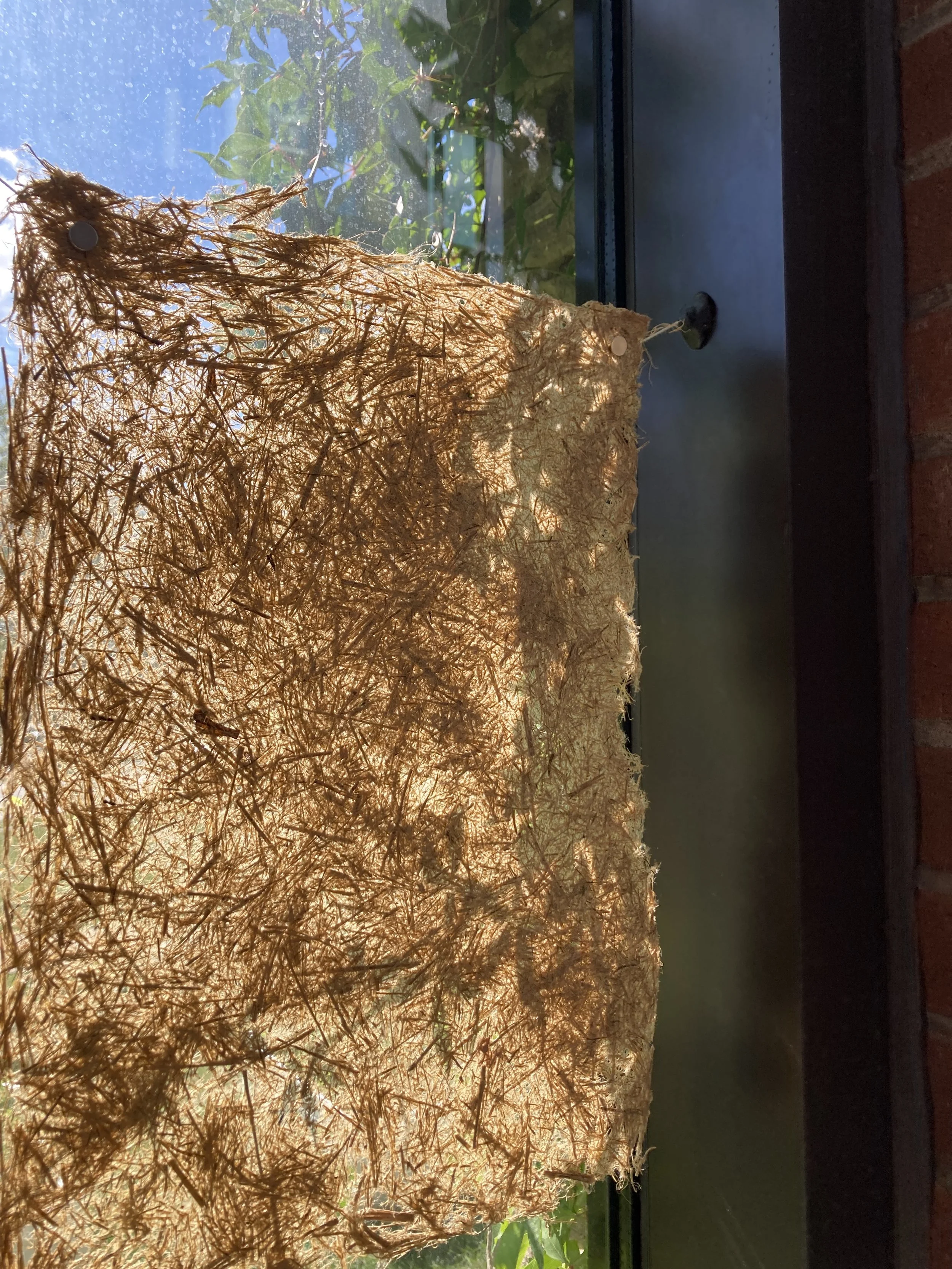
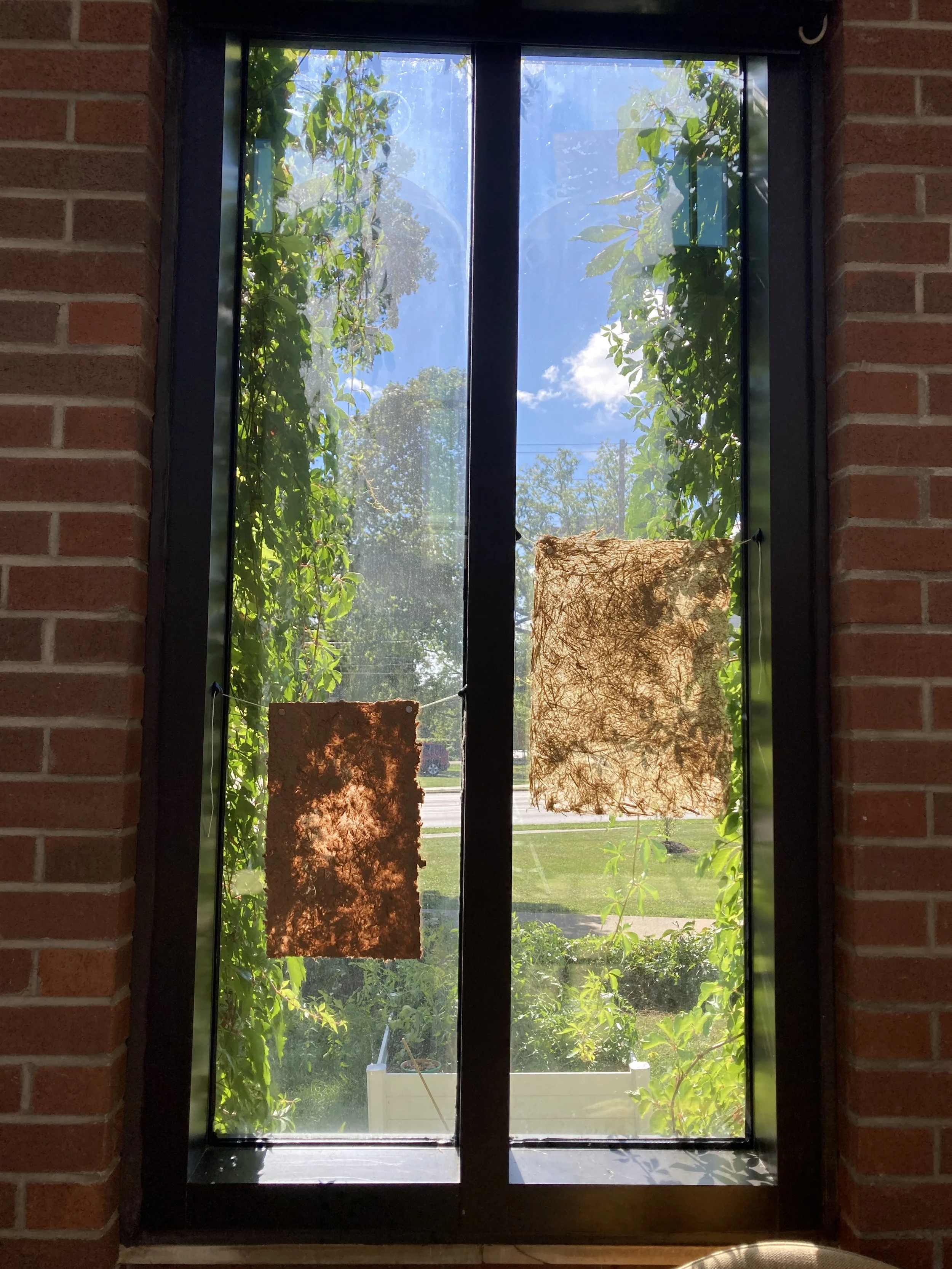
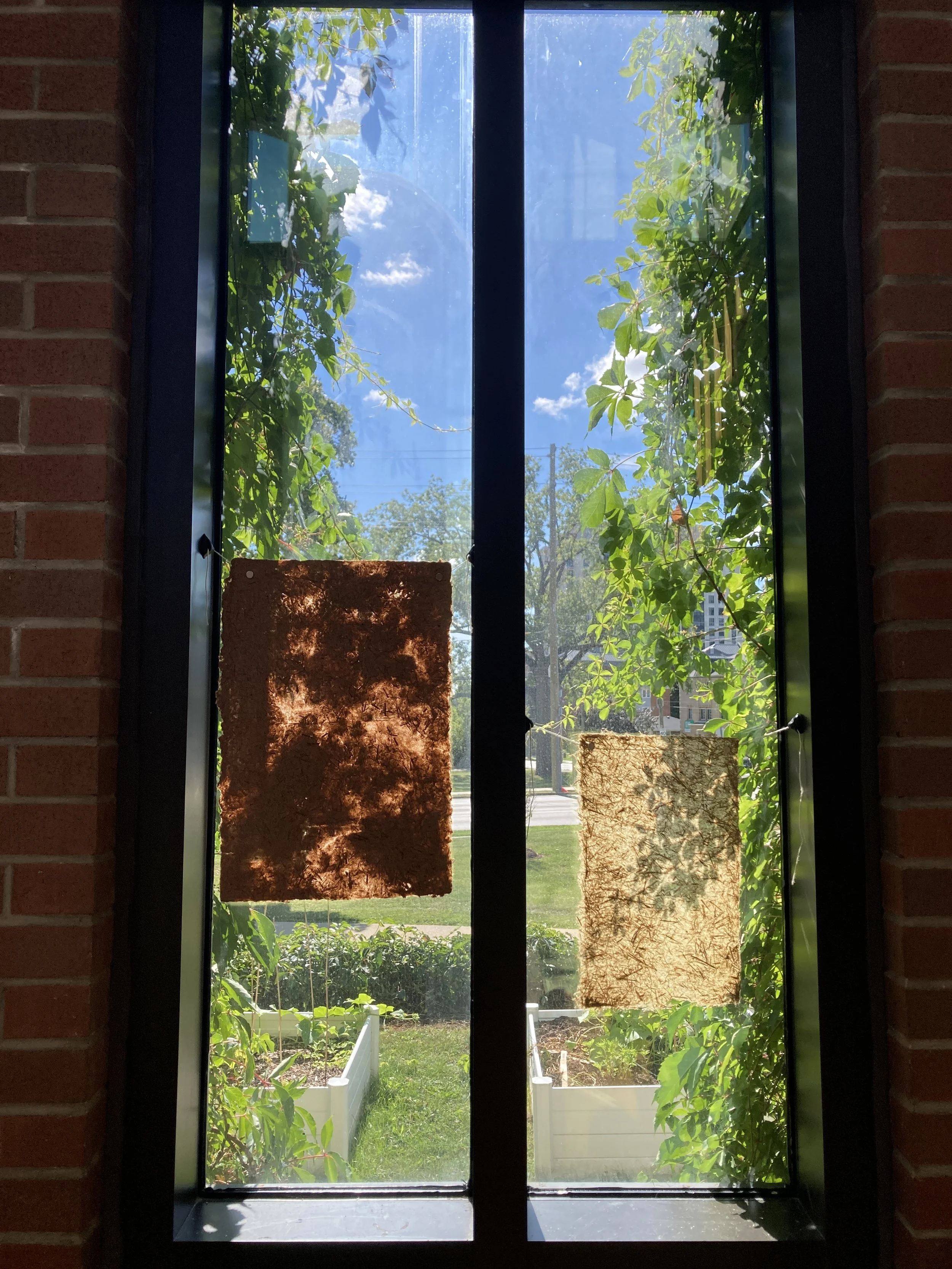
Together, these works congregate in and around Keffer Memorial Chapel, a spiritual space that has been renovated and decolonized to serve as both a secular and religious space that upholds multi-faith practices. Works by Shalaka Jadhavand Bhavika Sharma are intertwined with work by Roshan James on what was the fixed place of an altar for many years,embracing the malleability of spiritual gathering spaces. Acknowledging the storiedness of space keeps us accountableto place – our history and what we have become and are becoming. In including elements of domesticity - a gathering ofchairs, and bedroom linens - we can point to colonization’s history of dismissing female voices within patriarchalreligious institutions , voices often sequestered to the home. In the windows, Bhavika Sharma’s papers from herongoing Phragmites Series and Knotweed Series look to expand on existing plant categorizations through transforming"invasive" plant species. In considering questions of place and belonging, Where do we still plant flowers? invitesreflections on the stories, traditions, and relationships that keep us accountable to a place.
Curator: Catherine Mellinger
With special thanks to: Shalaka Jadhav