In Communion
October 15 - November 20, 2026
Keffer Memorial Chapel - Martin Luther University College
OPENING Oct 21, 5-6pm
Exhibiting Artists:
Gwen Penner (in collaboration with Rebekah Rempel)
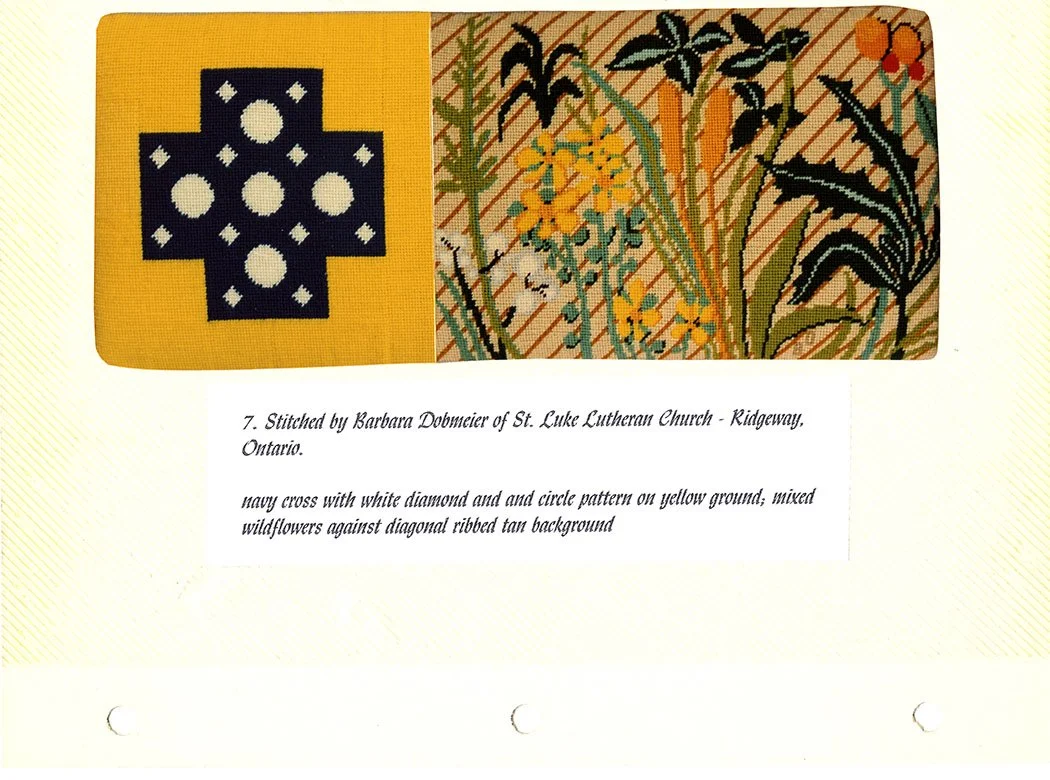
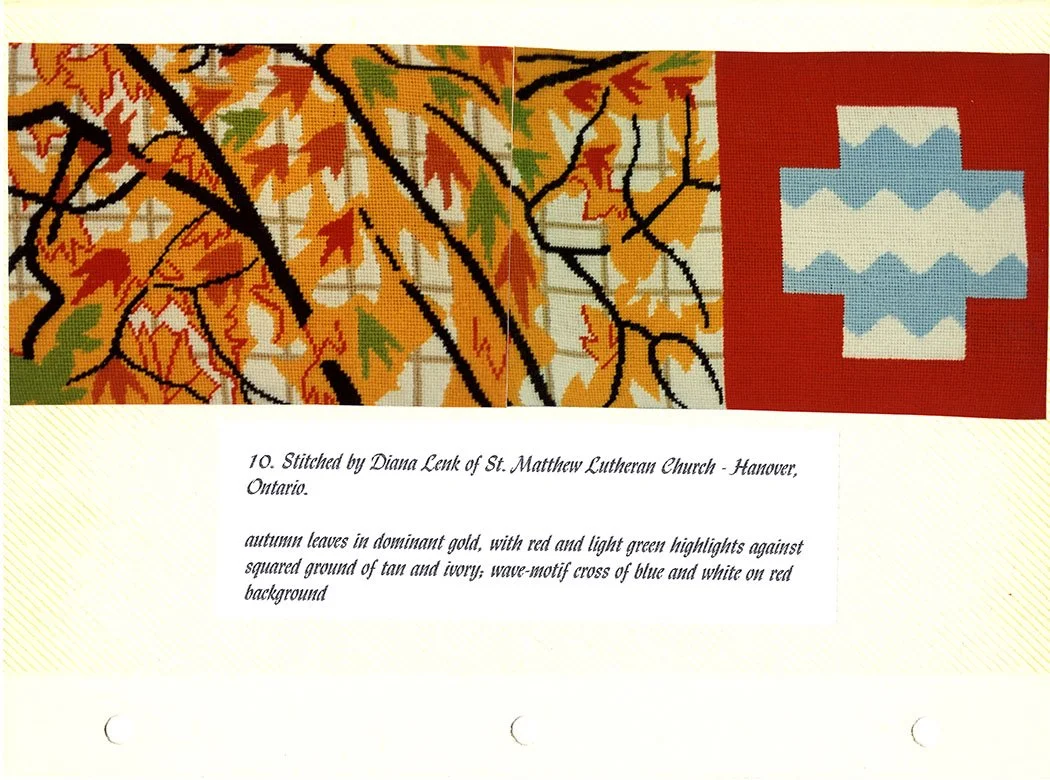
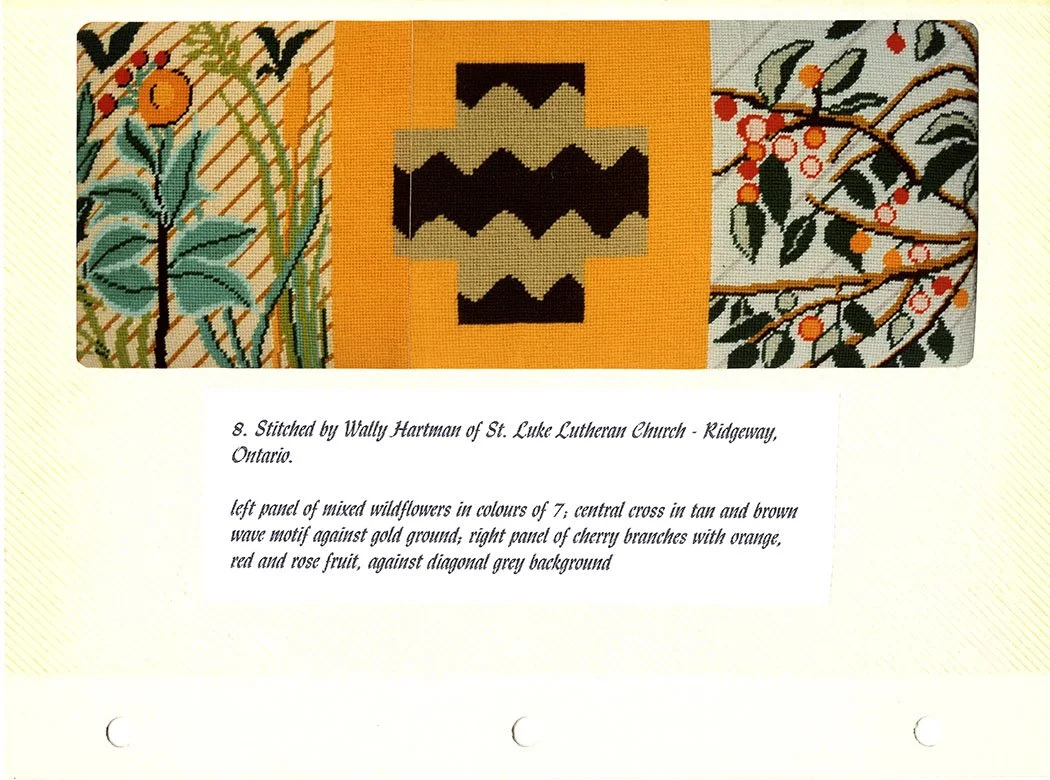
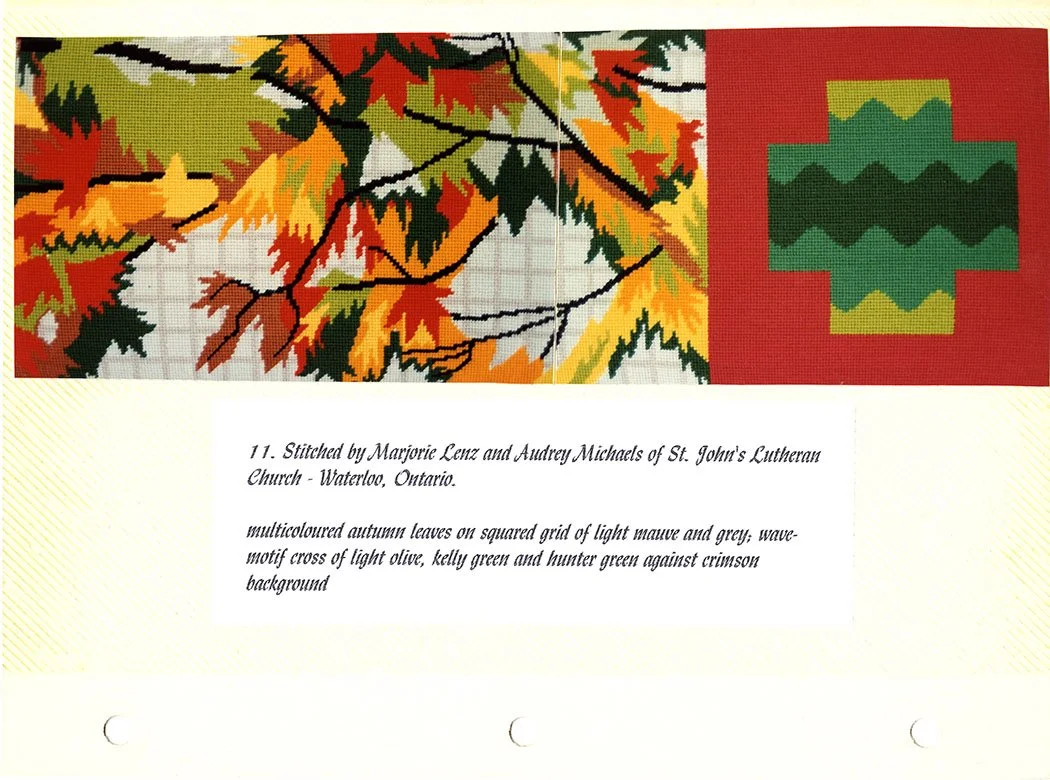
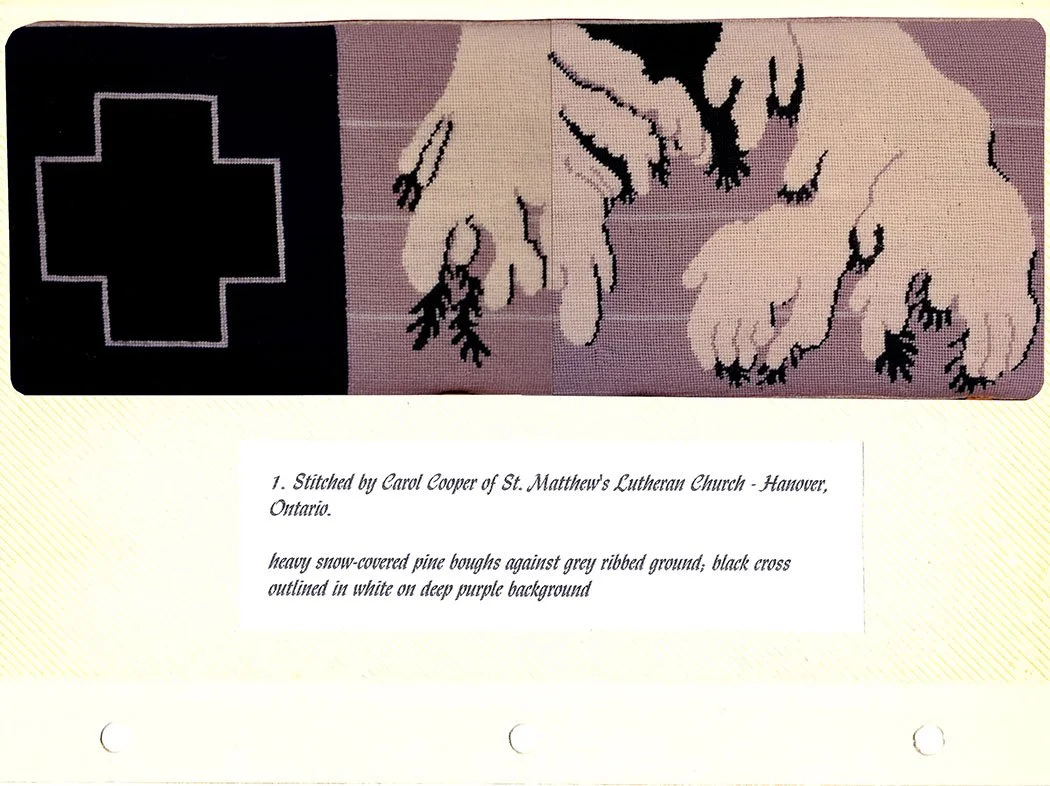
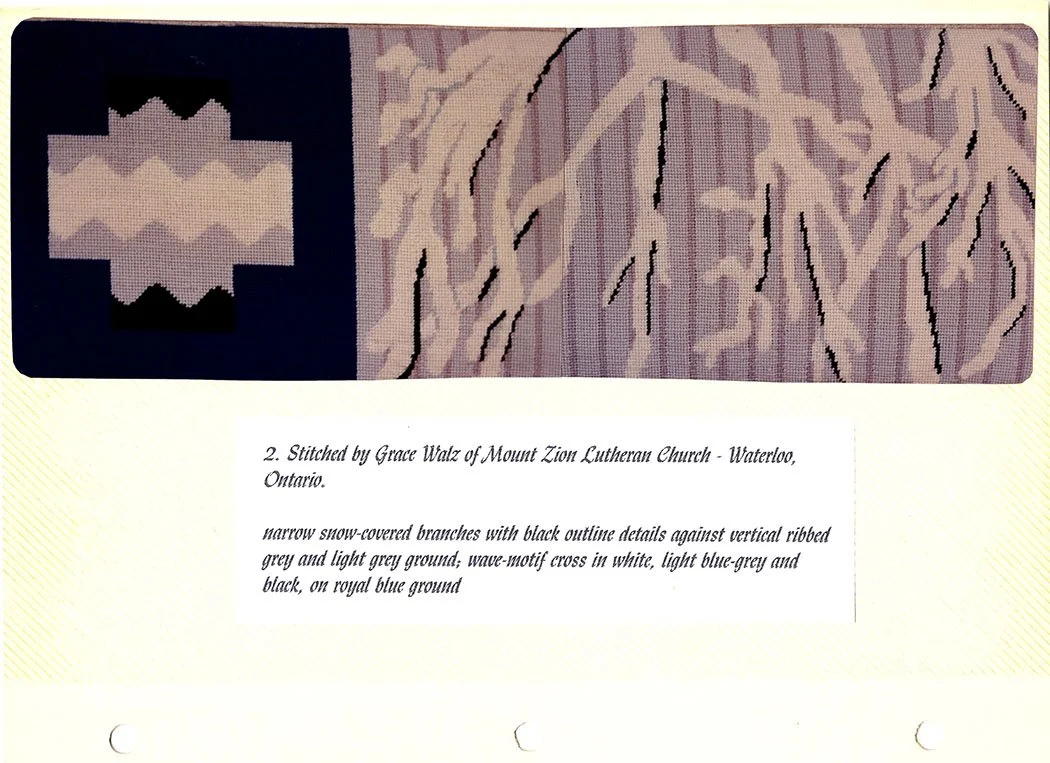
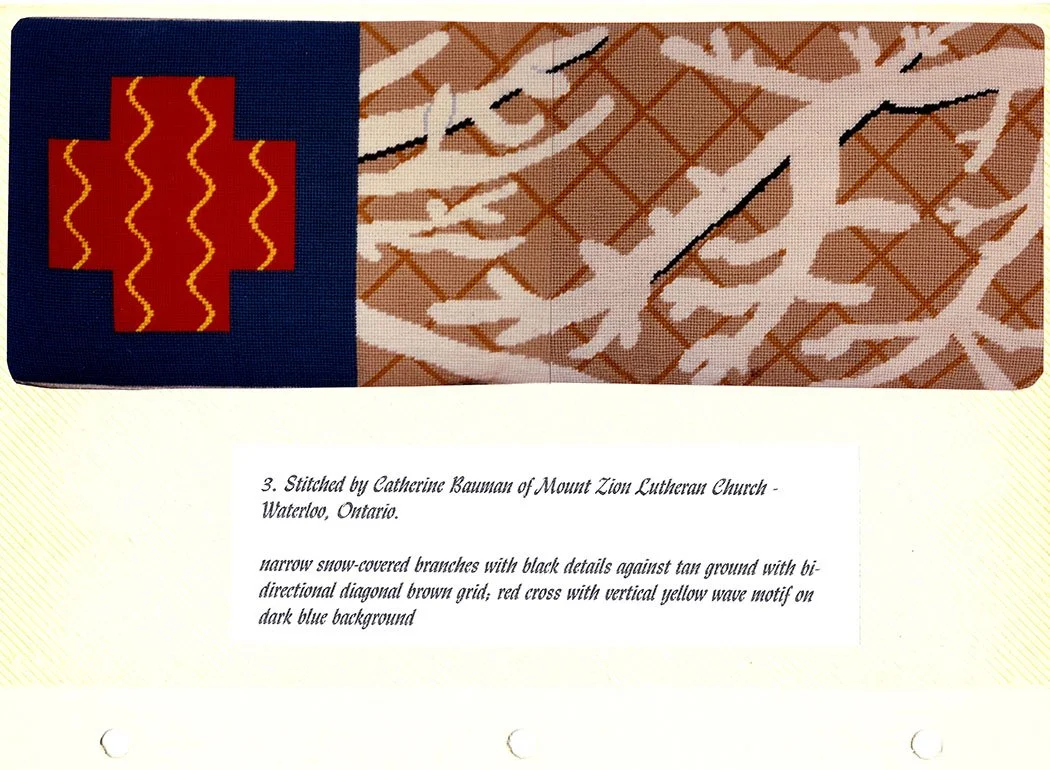
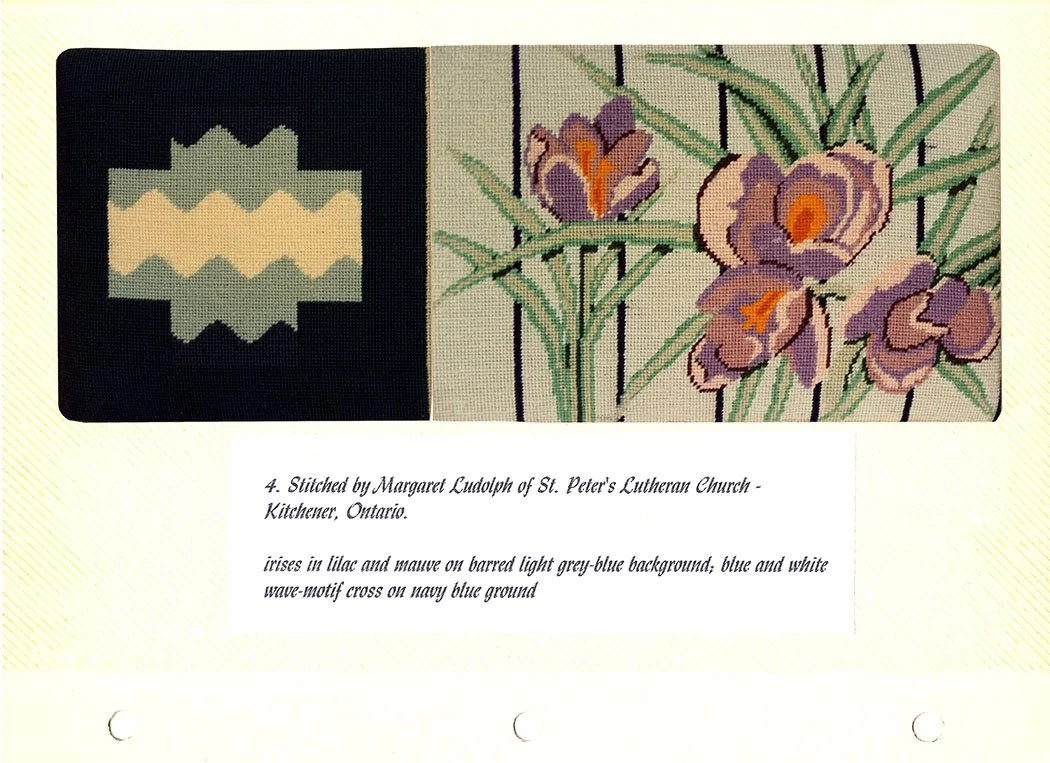
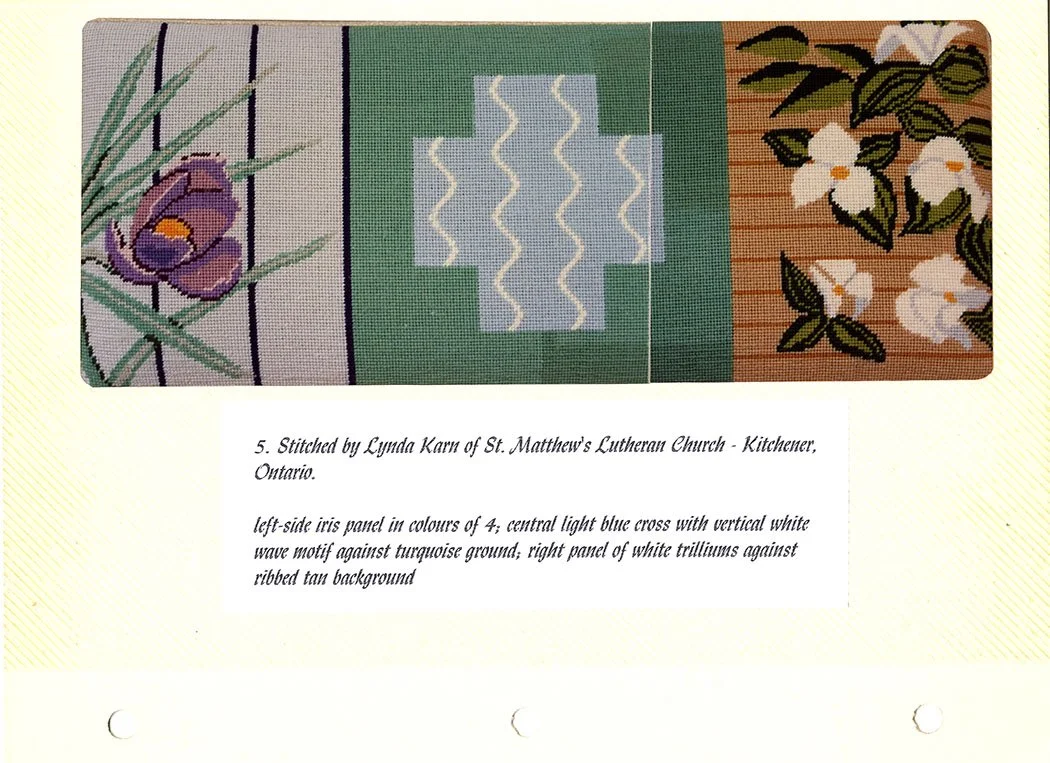
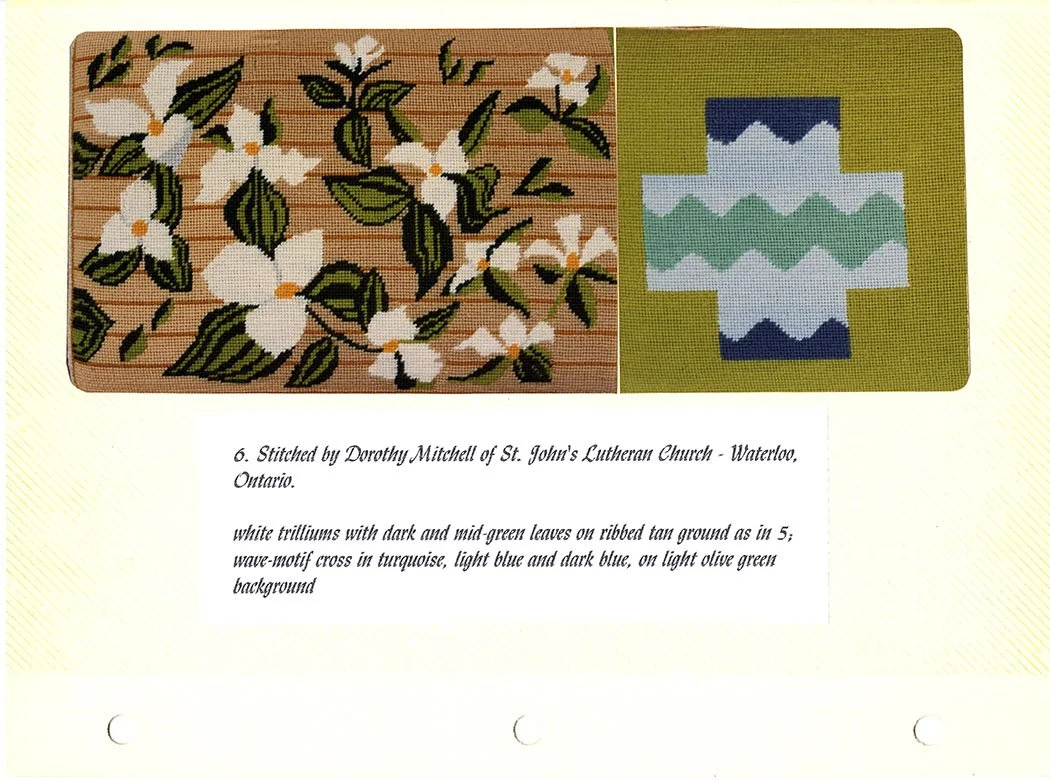
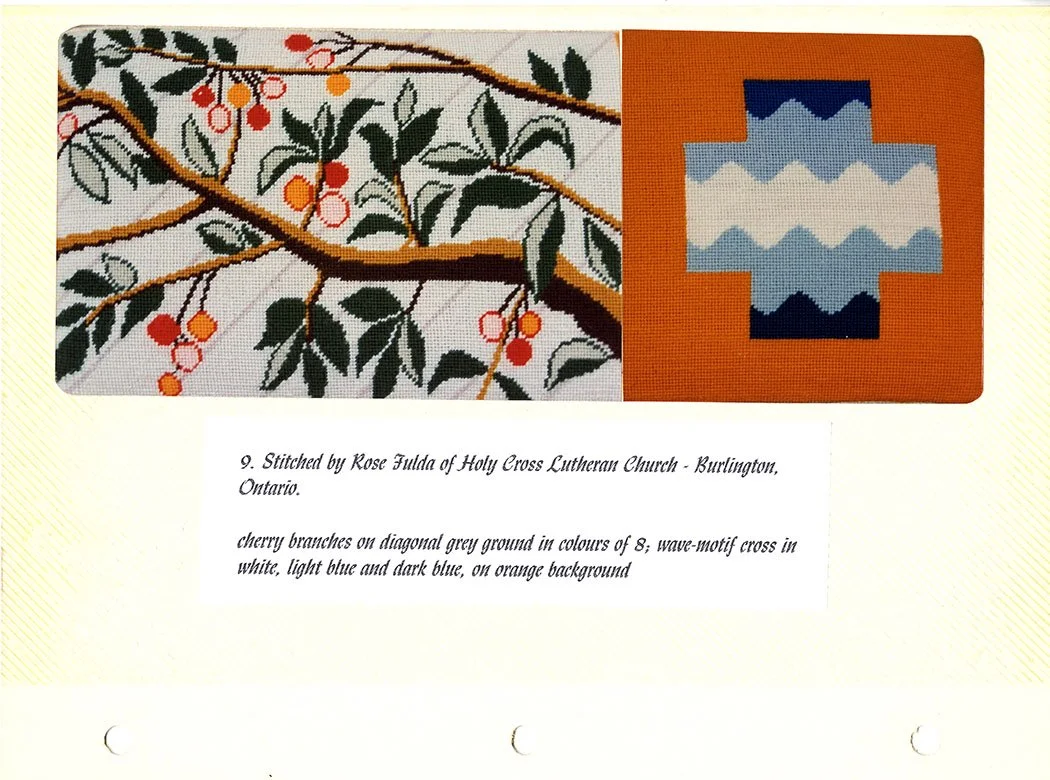
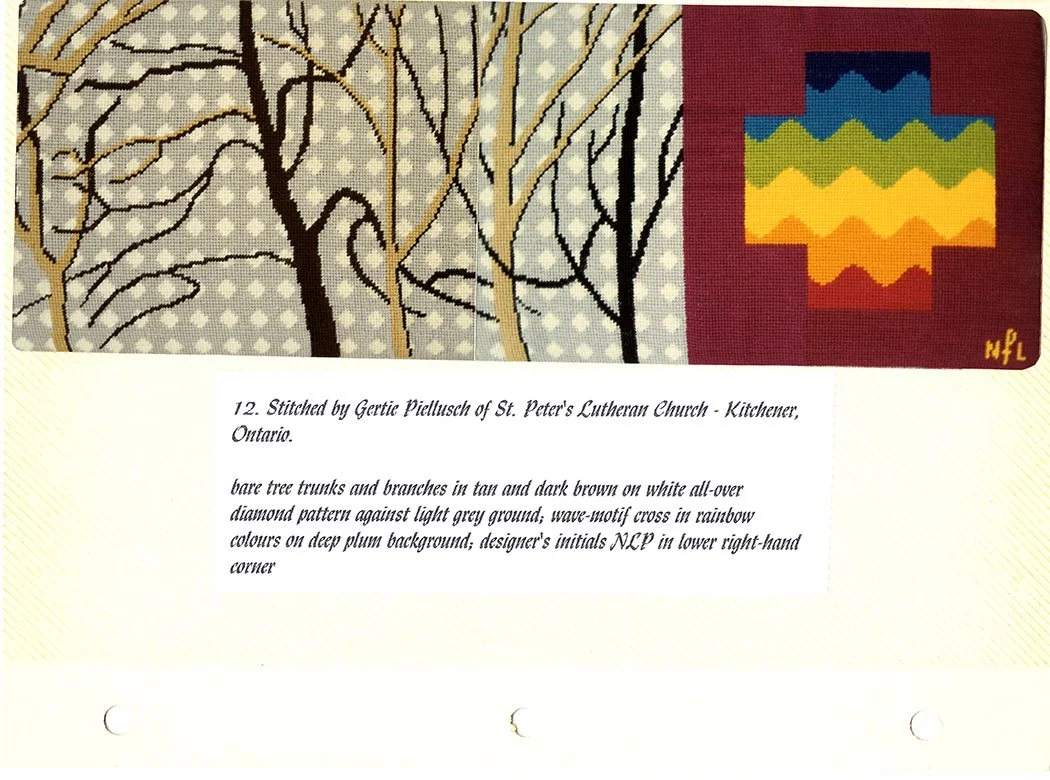
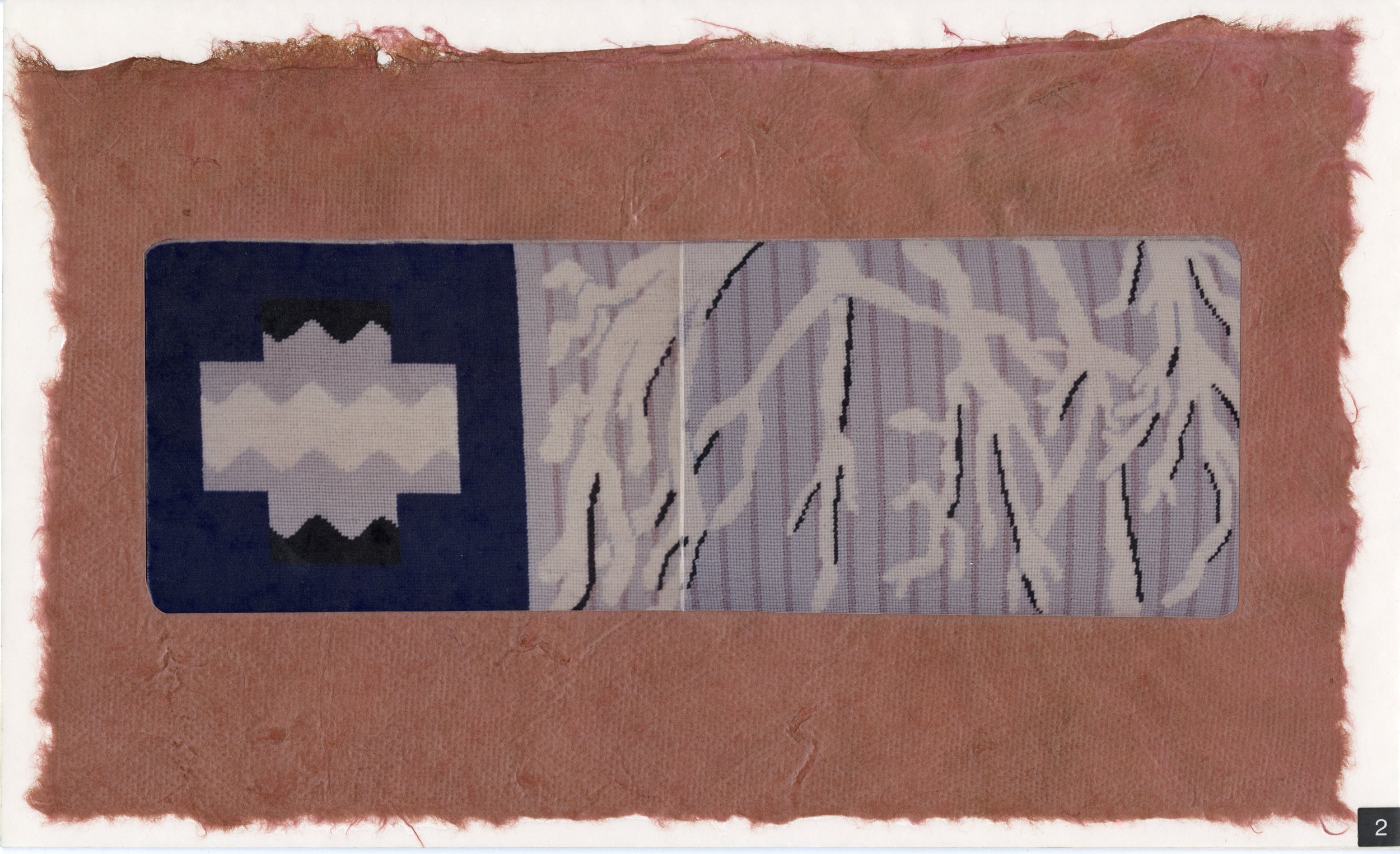
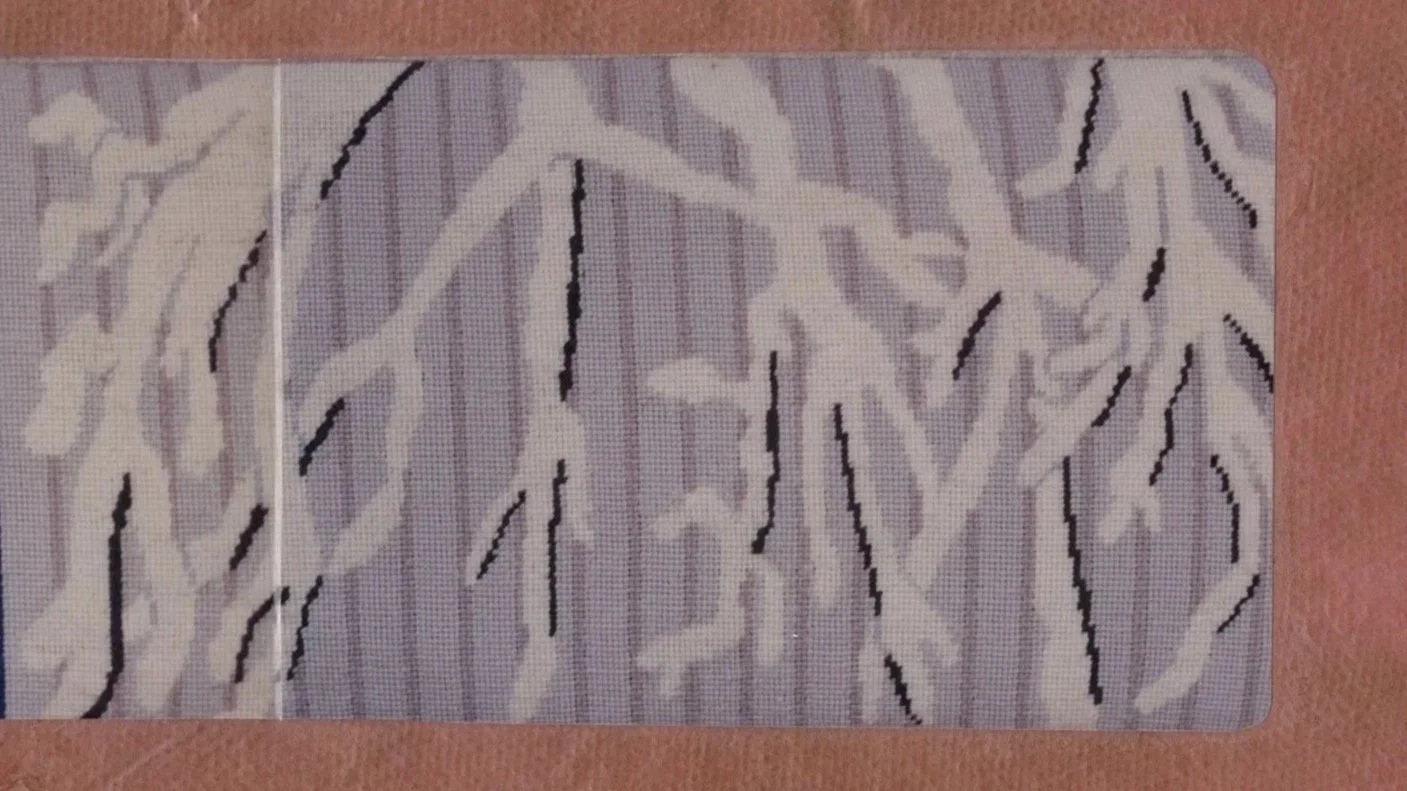
In Communion is a contemporary group exhibition based in call-and-response engagement. In 1992, Nancy-Lou Patterson was commissioned to design a series of 14 kneelers for Keffer Memorial Chapel at Martin Luther University College. The kneelers, were needlepoint stitched by a community of women from Lutheran congregations through Waterloo Region who were members of the Women’s Auxiliary of the Waterloo Lutheran Seminary and used within services at the chapel along the altar rail during Holy Communion. Originally created as devotional and communal objects, the kneelers embody acts of care, labour, faith, and collective making. They exist at the intersection of artistic practice, craft traditions, spirituality, and community memory. Through contemporary artistic responses, In Communion reconsiders these works not as static artifacts, but as living points of dialogue capable of generating new conversations about community/communing, spirituality, accountability, and stewardship.
The exhibition adopts the structure of call and response, a form deeply rooted in liturgical traditions and communal participation. The historic kneelers serve as the initial call, while contemporary artworks become responses that extend, complicate, challenge, or reinterpret their themes and meanings. Through this exchange, the exhibition creates a space where past and present, archive and imagination, tradition and critique coexist.
This exhibition is informed by theological understandings of communion as a gathering of many voices into shared relationship, exploring how contemporary art can foster meaningful encounters across difference. Participating artists will meet with curator Catherine Mellinger to choose the kneeler designs they want to use as inspiration for their work, and are invited to do their own research into use of kneelers, communion, and Keffer Memorial Chapel’s history as part of their creation process.
The exhibition will take place at the Keffer Memorial Chapel, a space that is open to all that is sacred, and how the sacred can be practiced in multiple ways, supporting community gatherings, events and multi-faith gatherings while critically engaging its role in colonial history. Remaining a Lutheran Seminary chapel, the space exists in tension, inviting reflection on accountability to place, history, and ongoing transformation shaped by its community. This exhibition asks artists to create with that tension in mind.
Curatorial Statement
In Communion brings contemporary fibre practices into conversation with a collection of liturgical kneelers commissioned by Rev. Paul Bosch, designed by Nancy Lou Patterson, and needlepointed by members of the Women’s Auxiliary of the Waterloo Lutheran Seminary. At the confluence of folk art, community memory, and volunteer labour as spiritual service, these kneelers carry histories of devotion and collective making. In Communion approaches the kneelers as living points of dialogue, objects through which new conversations can emerge.
In response to the original kneelers–created to cushion knees against the marble floors of the altar for those receiving communion–six artists respond as a new communion of voices. Through inherited and found textiles, local plants, reclaimed fibres, weaving, beading, cross-stitch, and liturgical forms, Sydney Hanson, Barbara Hobot, Alisa McRonald, Gwen Penner in collaboration with Rebekah Rempel, and Sadie Simon consider inherited narratives and family histories, ecological and intergenerational relationships, cycles of life and impermanence, order and chaos, care, labour, and resistance. Together, they relocate fibre traditions often historically associated with domestic and worship spaces into contemporary artistic practice.
As curator, Catherine Mellinger’s own artistic practice and work in community often centres feminist perspectives on reproductive choice and perinatal experiences within broader conversations of the ways “mothering” and caregiving are practiced. Mellinger believes acts of artistic creation can be sacred communions to a universal experience of manifestation, and as a curator, they are interested in examining and challenging historically undervalued labour, largely affecting artists and “mothers” in very similar ways. These kneelers were stitched by women who had experienced a transformation of the domestic figure into the post-war “working mother”. For many women who would have been active participants in the work of Women’s Auxiliary, their eventual entry into the economic system offered new forms of agency and power, but also limited the time they could volunteer to communal involvement.
In a space shaped by Lutheran histories that include Holy Communion, it would be amiss not to point to Pastor Paul Bosch’s words: taking from his essay What Makes Worship Lutheran, he notes, “(13) Here in Bread and Cup the world of nature–and indeed the world of human creativity and commerce!–are presented ritually as signs of their sanctification under the Word.” He goes on to add “(26) The term communion suggests: God interacting with me, and me with God. You with God and God with you. You with me. Me with you … (27) Meeting the Holy in Communion.” (Bosch, 2017). Mellinger is interested in how the kneelers, when extended by artists into conversations with the more-than-human, mythology and contemporary feminist reflections, can be an act of meeting the Holy.
__________
In Communion marks 20 years of the Kanata Centre and Art on the Wall, creating space for art within Keffer Memorial Chapel, honours Martin Luther University College’s 115th anniversary, and commemorates the 50th anniversary of the ordination of women within the Lutheran Church in Colonially named Canada.
In Communion acknowledges the voices that remain absent, particularly those of Indigenous and racialized artists whose relationships to land, body, kinship, spirituality, labour, and material practice point toward histories and ways of knowing obscured or suppressed by dominant religious narratives.
Special thanks to Shalaka Jadhav for their editorial support.